Buy ksbforum.eu ?
We are moving the project
ksbforum.eu .
Are you interested in purchasing the domain
ksbforum.eu ?
domain@kv-gmbh.de · 0541-91531010
Buy ksbforum.eu ?
Should I replace this radiator hose?
If the radiator hose is showing signs of wear such as cracks, bulges, or leaks, then it is recommended to replace it. A damaged radiator hose can lead to coolant leaks, overheating of the engine, and potential engine damage. It is better to replace the hose preventatively rather than risk a breakdown or more costly repairs in the future. If you are unsure about the condition of the hose, it is best to have a mechanic inspect it for you. **
Why did the radiator hose burst?
The radiator hose likely burst due to a combination of factors such as age, wear and tear, and high pressure. Over time, the rubber in the hose can degrade and become more prone to cracking and bursting. Additionally, if the cooling system is not properly maintained and the coolant levels are not regularly checked, it can lead to overheating and increased pressure within the hose, causing it to burst. It's important to regularly inspect and replace radiator hoses to prevent unexpected failures. **


Similar search terms for VAICO-V40-2188-Radiator-hose
Top-Angebote
Products related to VAICO-V40-2188-Radiator-hose:
-
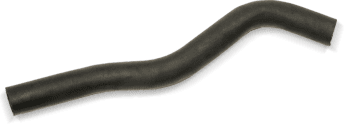
VAICO V40-0370 Radiator hoseMaterial: Rubber with fabric lining; Cooling Hose: from water pump to water pipe; Cooling Hose: from waterpump to connecting pipe, from engine to water pipe; Weight [kg]: 0,104; Packaging width [cm]: 5; Packaging height [cm]: 9,5; Packaging Depth [cm]: 16,3; Supplementary Info: Q+, original equipment manufacturer quality; Fitting Position: Lower, Upper; Construction Year from: 09/1990, 09/1993, 09/1994, 09/1992, 07/1994, 09/1995, 11/1994, 09/1991, 09/1996, 09/1989; Engine Code: C16NZ; Vehicle Identification Number (VIN) from: N...; TecDoc Engine Number: 4785, 4819, 4787, 16169; Vehicle type: Vita; Construction Year to: 08/1995, 07/2001, 08/1996, 12/1996, 01/1998, 08/1994, 12/2011, 02/1998, 06/1994, 08/2002, 05/1997, 07/2000, 08/19986,59 £*Shipping: 8,45 £Secure redirect to the provider
-
VAICO V40-1343 Radiator hoseFitting Position: Upper; Cooling Hose: from connecting pipe to engine cooler; Cooling Hose: from engine to engine cooler; Weight [kg]: 0,125; Packaging width [cm]: 8,8; Packaging height [cm]: 4,5; Packaging Depth [cm]: 18,5; Supplementary Info: Original VAICO Quality; Construction Year from: 11/2003, 08/2003, 10/2004; Construction Year to: 07/2004, 06/2004, 09/2006, 06/2006, 12/2005, 01/2011, 12/2012; Vehicle type: Van11,99 £*Shipping: 8,45 £Secure redirect to the provider
-
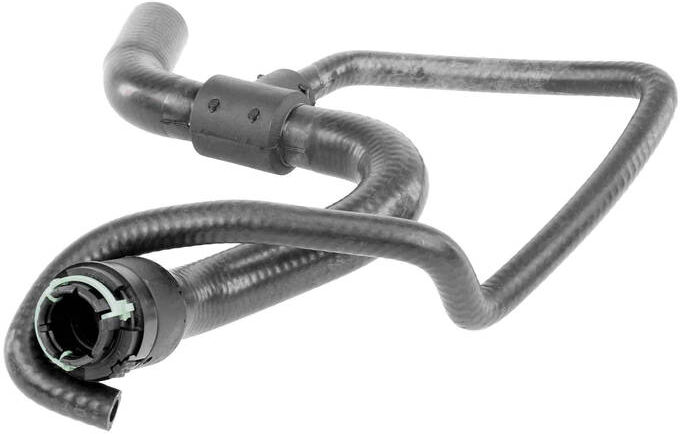
VAICO V40-1351 Radiator hoseCooling Hose: from coupling piece to heat exchanger; Cooling Hose: from heat exchanger to water pipe, from engine to heat exchanger; for OE number: 68 18 482; Weight [kg]: 0,25; Packaging width [cm]: 26; Packaging height [cm]: 7; Packaging Depth [cm]: 34; Supplementary Info: Original VAICO Quality; TecDoc Engine Number: 4820, 16394, 14923, 2733, 14920, 17589, 17631, 17590, 17937; Construction Year to: 01/2004, 03/200442,99 £*Shipping: 8,45 £Secure redirect to the provider



-
What is Sport 2188?
Sport 2188 is a futuristic sports simulation game that allows players to compete in various sports events set in the year 2188. The game features advanced technology, innovative gameplay mechanics, and a wide range of sports to participate in. Players can customize their characters, compete against AI opponents or other players, and strive to become the ultimate champion in this virtual sports world. With its immersive graphics and engaging gameplay, Sport 2188 offers a unique and exciting gaming experience for sports enthusiasts. **
-
What are radiator valves?
Radiator valves are devices used to control the flow of hot water into a radiator, allowing for the regulation of the temperature in a room. There are two main types of radiator valves: thermostatic radiator valves (TRVs) and manual radiator valves. TRVs automatically adjust the flow of hot water based on the room temperature, while manual radiator valves require manual adjustment. Radiator valves are an important component of a heating system, allowing for individual control of the temperature in different rooms. **
-
"Is the radiator hose torn and leaking at the clamp?"
To determine if the radiator hose is torn and leaking at the clamp, you should visually inspect the hose for any visible tears or damage. Additionally, you can check for any signs of coolant leakage around the clamp area. If there is evidence of a tear or leak, it is important to address the issue promptly to prevent further damage to the cooling system. It may be necessary to replace the hose or tighten the clamp to resolve the issue. **
-
What will happen in the year 2188?
It is impossible to predict with certainty what will happen in the year 2188 as it is too far into the future. However, based on current trends in technology, society, and the environment, we can speculate that there may be significant advancements in artificial intelligence, space exploration, and sustainability efforts. It is also possible that global challenges such as climate change and resource scarcity will continue to be major issues that humanity will need to address. **

What controls the radiator valve?
The radiator valve is typically controlled manually by the user. It is usually a knob or lever that can be turned to adjust the flow of hot water into the radiator, thereby controlling the temperature in the room. Some modern radiator valves may also be equipped with thermostatic controls that automatically adjust the flow of hot water based on the desired temperature set by the user. **
How do you vent radiator without valves?
To vent a radiator without valves, you can use a radiator key to open the bleed valve located at the top of the radiator. Place a cloth or container underneath the valve to catch any water that may come out. Turn the key counterclockwise to open the valve and release any trapped air. Once water starts to come out, close the valve by turning the key clockwise. Be sure to check the pressure in the system and refill it if necessary. **
Top-Angebote
Products related to VAICO-V40-2188-Radiator-hose:
-
VAICO V40-0374 Radiator hoseCooling Hose: from connecting pipe to engine cooler; Fitting Position: Upper; Weight [kg]: 0,3; Packaging width [cm]: 10,5; Packaging height [cm]: 12,3; Packaging Depth [cm]: 19,5; Supplementary Info: Original VAICO Quality; Construction Year from: 09/1993, 09/1994, 09/1992, 07/1994, 09/1995, 09/1991; TecDoc Engine Number: 4785, 4819, 16169; Construction Year to: 08/1996, 08/1994, 02/1998, 08/200212,49 £*Shipping: 8,45 £Secure redirect to the provider
-
VAICO V40-0370 Radiator hoseMaterial: Rubber with fabric lining; Cooling Hose: from water pump to water pipe; Cooling Hose: from waterpump to connecting pipe, from engine to water pipe; Weight [kg]: 0,104; Packaging width [cm]: 5; Packaging height [cm]: 9,5; Packaging Depth [cm]: 16,3; Supplementary Info: Q+, original equipment manufacturer quality; Fitting Position: Lower, Upper; Construction Year from: 09/1990, 09/1993, 09/1994, 09/1992, 07/1994, 09/1995, 11/1994, 09/1991, 09/1996, 09/1989; Engine Code: C16NZ; Vehicle Identification Number (VIN) from: N...; TecDoc Engine Number: 4785, 4819, 4787, 16169; Vehicle type: Vita; Construction Year to: 08/1995, 07/2001, 08/1996, 12/1996, 01/1998, 08/1994, 12/2011, 02/1998, 06/1994, 08/2002, 05/1997, 07/2000, 08/19986,59 £*Shipping: 8,45 £Secure redirect to the provider
-
VAICO V40-1343 Radiator hoseFitting Position: Upper; Cooling Hose: from connecting pipe to engine cooler; Cooling Hose: from engine to engine cooler; Weight [kg]: 0,125; Packaging width [cm]: 8,8; Packaging height [cm]: 4,5; Packaging Depth [cm]: 18,5; Supplementary Info: Original VAICO Quality; Construction Year from: 11/2003, 08/2003, 10/2004; Construction Year to: 07/2004, 06/2004, 09/2006, 06/2006, 12/2005, 01/2011, 12/2012; Vehicle type: Van11,99 £*Shipping: 8,45 £Secure redirect to the provider
-
Should I replace this radiator hose?
If the radiator hose is showing signs of wear such as cracks, bulges, or leaks, then it is recommended to replace it. A damaged radiator hose can lead to coolant leaks, overheating of the engine, and potential engine damage. It is better to replace the hose preventatively rather than risk a breakdown or more costly repairs in the future. If you are unsure about the condition of the hose, it is best to have a mechanic inspect it for you. **
-
Why did the radiator hose burst?
The radiator hose likely burst due to a combination of factors such as age, wear and tear, and high pressure. Over time, the rubber in the hose can degrade and become more prone to cracking and bursting. Additionally, if the cooling system is not properly maintained and the coolant levels are not regularly checked, it can lead to overheating and increased pressure within the hose, causing it to burst. It's important to regularly inspect and replace radiator hoses to prevent unexpected failures. **
-
What is Sport 2188?
Sport 2188 is a futuristic sports simulation game that allows players to compete in various sports events set in the year 2188. The game features advanced technology, innovative gameplay mechanics, and a wide range of sports to participate in. Players can customize their characters, compete against AI opponents or other players, and strive to become the ultimate champion in this virtual sports world. With its immersive graphics and engaging gameplay, Sport 2188 offers a unique and exciting gaming experience for sports enthusiasts. **
-
What are radiator valves?
Radiator valves are devices used to control the flow of hot water into a radiator, allowing for the regulation of the temperature in a room. There are two main types of radiator valves: thermostatic radiator valves (TRVs) and manual radiator valves. TRVs automatically adjust the flow of hot water based on the room temperature, while manual radiator valves require manual adjustment. Radiator valves are an important component of a heating system, allowing for individual control of the temperature in different rooms. **
Similar search terms for VAICO-V40-2188-Radiator-hose
-
VAICO V40-1351 Radiator hoseCooling Hose: from coupling piece to heat exchanger; Cooling Hose: from heat exchanger to water pipe, from engine to heat exchanger; for OE number: 68 18 482; Weight [kg]: 0,25; Packaging width [cm]: 26; Packaging height [cm]: 7; Packaging Depth [cm]: 34; Supplementary Info: Original VAICO Quality; TecDoc Engine Number: 4820, 16394, 14923, 2733, 14920, 17589, 17631, 17590, 17937; Construction Year to: 01/2004, 03/200442,99 £*Shipping: 8,45 £Secure redirect to the provider
-
"Is the radiator hose torn and leaking at the clamp?"
To determine if the radiator hose is torn and leaking at the clamp, you should visually inspect the hose for any visible tears or damage. Additionally, you can check for any signs of coolant leakage around the clamp area. If there is evidence of a tear or leak, it is important to address the issue promptly to prevent further damage to the cooling system. It may be necessary to replace the hose or tighten the clamp to resolve the issue. **
-
What will happen in the year 2188?
It is impossible to predict with certainty what will happen in the year 2188 as it is too far into the future. However, based on current trends in technology, society, and the environment, we can speculate that there may be significant advancements in artificial intelligence, space exploration, and sustainability efforts. It is also possible that global challenges such as climate change and resource scarcity will continue to be major issues that humanity will need to address. **
-
What controls the radiator valve?
The radiator valve is typically controlled manually by the user. It is usually a knob or lever that can be turned to adjust the flow of hot water into the radiator, thereby controlling the temperature in the room. Some modern radiator valves may also be equipped with thermostatic controls that automatically adjust the flow of hot water based on the desired temperature set by the user. **
-
How do you vent radiator without valves?
To vent a radiator without valves, you can use a radiator key to open the bleed valve located at the top of the radiator. Place a cloth or container underneath the valve to catch any water that may come out. Turn the key counterclockwise to open the valve and release any trapped air. Once water starts to come out, close the valve by turning the key clockwise. Be sure to check the pressure in the system and refill it if necessary. **
* All prices are inclusive of VAT and, if applicable, plus shipping costs. The offer information is based on the details provided by the respective shop and is updated through automated processes. Real-time updates do not occur, so deviations can occur in individual cases. ** Note: Parts of this content were created by AI.