Buy ksbforum.eu ?
We are moving the project
ksbforum.eu .
Are you interested in purchasing the domain
ksbforum.eu ?
domain@kv-gmbh.de · 0541-91531010
Buy ksbforum.eu ?
What is meant by deontological and teleological?
Deontological ethics is an ethical theory that focuses on the inherent rightness or wrongness of actions themselves, rather than the consequences of those actions. It emphasizes the importance of following moral rules and duties, regardless of the outcomes. On the other hand, teleological ethics, also known as consequentialism, is an ethical theory that evaluates the morality of actions based on their outcomes or consequences. It emphasizes the idea that the rightness or wrongness of an action is determined by the overall good or bad results it produces. In summary, deontological ethics focuses on the inherent nature of actions, while teleological ethics focuses on the outcomes of actions. **
Is teleological ethics the same as teleology?
Teleological ethics and teleology are related concepts, but they are not the same. Teleological ethics is a moral theory that emphasizes the consequences or outcomes of actions as the basis for determining their ethical value. Teleology, on the other hand, is a broader philosophical concept that refers to the study of purpose or goals in nature and human existence. While teleological ethics is a specific application of teleology to moral decision-making, teleology encompasses a wider range of philosophical inquiries into purpose and design in the natural world. **


Similar search terms for Teleological
Top-Angebote
Products related to Teleological:
-
eufy Breast Pump S1 Pro & Duckbill Valves (4-Pack) eufy Breast Pump S1 Pro & Original Duckbill Valves (4-Pack)HSA/FSA Eligible: Save with pre-tax health dollars. Breast pump S1 pro: The Innovative Heated Wearable Breast Pump: Groundbreaking HeatFlow™ technology prevents clogs and boosts your output by 30%¹. Enjoy high-efficiency pumping with spa-like...354,99 $*Shipping: 0,00 $Secure redirect to the provider
-
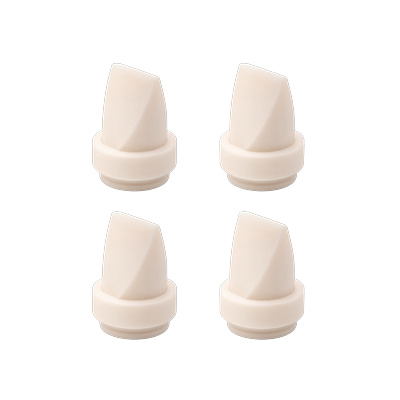
eufy Duckbill Valves (4-Pack) for Wearable Breast Pump E10/E20/S1/S1 Pro E10/E20/S1/S1 Pro Original Duckbill Valves (4-Pack)HSA/FSA Eligible: Save with pre-tax health dollars. Compatibility:Compatible with eufy Breast Pump E10 / E20 / S1 / S1 Pro. Closed, Anti-Blackflow Design: Designed to prevent backflow of breast milk and help direct milk to the bottom of the...19,99 $*Shipping: 0,00 $Secure redirect to the provider
-
eufy Wearable Breast Pump E10/E20/S1/S1 Pro Original Duckbill Valves (4-Pack) E10/E20/S1/S1 Pro Original Duckbill Valves (4-Pack)Compatibility:Compatible with eufy Breast Pump E10 / E20 / S1 / S1 Pro. Closed, Anti-Blackflow Design: Designed to prevent backflow of breast milk and help direct milk to the bottom of the container, ensuring no loss of suction. The slit on the valve tips remains closed when not pumping. Food-Grade Silicone: Made from durable, BPA-free, food-grade silicone, the duckbill valves are soft, odorless, and skin-friendly for both mother and baby. The snug fit offers comfort and efficient pumping. Easy to Clean: Wash with warm, soapy water and rinse well after each use. To deep clean, use boiling water or steam at no more than 100℃ (212℉) for 5-10 minutes. Avoid hard brushes; use fingertips instead. Guaranteed Reliability: eufy breast pump accessories are covered by a 90-day limited manufacturer's warranty. Lifespan: Typically lasts 1-3 months. Replace if suction and performance decrease with use and sterilization, or based on your usage.29,99 £*Shipping: 0,00 £Secure redirect to the provider



-
Does discourse ethics have a teleological or deontological approach?
Discourse ethics is primarily associated with a deontological approach. It focuses on the principles of communication and interaction between individuals, emphasizing the importance of ethical norms and rules in guiding discourse. The goal is to ensure that communication is based on mutual respect, equality, and rationality, rather than aiming towards a specific outcome or goal. By prioritizing the ethical principles of communication, discourse ethics aims to create a fair and just dialogue among participants. **
-
What is the teleological argument for the existence of God?
The teleological argument, also known as the argument from design, posits that the complexity and order in the universe suggest the existence of a designer, which is often equated with God. This argument points to the intricate design and purposeful arrangement of elements in the natural world, such as the human eye or the fine-tuning of physical constants, as evidence of an intelligent creator. Proponents of the teleological argument argue that the presence of design implies a designer, leading to the conclusion that God must exist as the ultimate designer of the universe. **
-
Can someone explain Aristotle's teleological view of the world to me?
Aristotle's teleological view of the world is based on the idea that everything in the natural world has a purpose or goal. According to Aristotle, all things in nature strive towards their own perfection or fulfillment. This means that each object or organism has a specific function or purpose that it is naturally inclined to fulfill. For example, the purpose of an acorn is to grow into an oak tree. This teleological perspective suggests that there is an inherent order and purpose in the natural world, and that everything has a specific role to play in the overall functioning of the universe. **
-
Does the teleological cosmic Kalam argument rely on a fatal fallacy?
The teleological cosmic Kalam argument does not rely on a fatal fallacy. The argument, which posits that the universe has a cause and that cause must be God, is based on the idea that the universe had a beginning and therefore requires a cause. While there may be objections and counterarguments to the Kalam argument, it does not contain a fatal fallacy. It is a philosophical and theological argument that has been debated and discussed for centuries, and while it may not be universally accepted, it is a valid and coherent argument within the realm of philosophical and theological discourse. **


What are the arguments against the teleological argument for the existence of God?
The teleological argument, also known as the argument from design, posits that the complexity and order in the universe point to the existence of an intelligent designer, namely God. However, there are several counterarguments to this claim. One argument is that the apparent design in the universe can be explained by natural processes such as evolution, without the need for a supernatural designer. Additionally, the presence of imperfections and instances of apparent "bad design" in the natural world, such as the existence of diseases and natural disasters, is seen as evidence against the idea of a perfect and benevolent designer. Furthermore, the teleological argument is criticized for relying on analogical reasoning, which may not be a sound basis for establishing the existence of a divine creator. **
Can someone explain to me how John Hospers criticizes the teleological argument for the existence of God?
John Hospers criticizes the teleological argument by pointing out that it relies on the assumption that the complexity and order in the universe must have been designed by a higher intelligence, which he argues is a flawed premise. He suggests that just because something appears to be designed, it does not necessarily mean that it was created by a conscious being. Hospers also questions the logic of inferring the existence of a single, all-powerful God from the apparent design in the universe, as there could be multiple creators or other explanations for the order we observe. **
Top-Angebote
Products related to Teleological:
-
Medela Pack Valves + Membranes 1 un.A skin-care product. BPA-free and safe for your baby. Replacement item for all 's milk extractors:. the baby has in the breast milk everything he needs for its development (water, protein, fat, carbohydrates, minerals, vitamins and iron and antibodies). thinks about everything you need to promote this bond between you and your baby.9,23 £*Shipping: 4,22 £Secure redirect to the provider
-
Hozelock Automatic Watering 13mm Flow Control ValvesTake full control of your garden irrigation with the Hozelock 13mm Flow Control Valves, specially designed to regulate water flow within low-pressure automatic watering systems. Perfect for use with Hozelock’s 13mm irrigation supply pipes, these inline valves give you precision control over individual watering zones. Whether you need to isolate parts of your system or simply adjust water flow to suit specific plant needs, these durable flow control valves are the ideal solution. Easily fitted in-line to your existing 13mm supply pipe, they allow you to reduce or shut off water flow as required, helping to conserve water and tailor delivery to each area of your garden. Made from UV-resistant materials, these valves are built to withstand outdoor conditions, ensuring long-lasting performance season after season. Ideal for use in flower beds, borders, vegetable gardens, greenhouses, and more, these valves make it easy to customise irrigation to suit plant type, location, and water requirements. Supplied as a set of two and covered by a manufacturer's 2-year guarantee.15,49 £*Shipping: 3,50 £Secure redirect to the provider
-
eufy Breast Pump S1 Pro & Duckbill Valves (4-Pack) eufy Breast Pump S1 Pro & Original Duckbill Valves (4-Pack)HSA/FSA Eligible: Save with pre-tax health dollars. Breast pump S1 pro: The Innovative Heated Wearable Breast Pump: Groundbreaking HeatFlow™ technology prevents clogs and boosts your output by 30%¹. Enjoy high-efficiency pumping with spa-like...354,99 $*Shipping: 0,00 $Secure redirect to the provider
-
What is meant by deontological and teleological?
Deontological ethics is an ethical theory that focuses on the inherent rightness or wrongness of actions themselves, rather than the consequences of those actions. It emphasizes the importance of following moral rules and duties, regardless of the outcomes. On the other hand, teleological ethics, also known as consequentialism, is an ethical theory that evaluates the morality of actions based on their outcomes or consequences. It emphasizes the idea that the rightness or wrongness of an action is determined by the overall good or bad results it produces. In summary, deontological ethics focuses on the inherent nature of actions, while teleological ethics focuses on the outcomes of actions. **
-
Is teleological ethics the same as teleology?
Teleological ethics and teleology are related concepts, but they are not the same. Teleological ethics is a moral theory that emphasizes the consequences or outcomes of actions as the basis for determining their ethical value. Teleology, on the other hand, is a broader philosophical concept that refers to the study of purpose or goals in nature and human existence. While teleological ethics is a specific application of teleology to moral decision-making, teleology encompasses a wider range of philosophical inquiries into purpose and design in the natural world. **
-
Does discourse ethics have a teleological or deontological approach?
Discourse ethics is primarily associated with a deontological approach. It focuses on the principles of communication and interaction between individuals, emphasizing the importance of ethical norms and rules in guiding discourse. The goal is to ensure that communication is based on mutual respect, equality, and rationality, rather than aiming towards a specific outcome or goal. By prioritizing the ethical principles of communication, discourse ethics aims to create a fair and just dialogue among participants. **
-
What is the teleological argument for the existence of God?
The teleological argument, also known as the argument from design, posits that the complexity and order in the universe suggest the existence of a designer, which is often equated with God. This argument points to the intricate design and purposeful arrangement of elements in the natural world, such as the human eye or the fine-tuning of physical constants, as evidence of an intelligent creator. Proponents of the teleological argument argue that the presence of design implies a designer, leading to the conclusion that God must exist as the ultimate designer of the universe. **
Similar search terms for Teleological
-
eufy Duckbill Valves (4-Pack) for Wearable Breast Pump E10/E20/S1/S1 Pro E10/E20/S1/S1 Pro Original Duckbill Valves (4-Pack)HSA/FSA Eligible: Save with pre-tax health dollars. Compatibility:Compatible with eufy Breast Pump E10 / E20 / S1 / S1 Pro. Closed, Anti-Blackflow Design: Designed to prevent backflow of breast milk and help direct milk to the bottom of the...19,99 $*Shipping: 0,00 $Secure redirect to the provider
-
eufy Wearable Breast Pump E10/E20/S1/S1 Pro Original Duckbill Valves (4-Pack) E10/E20/S1/S1 Pro Original Duckbill Valves (4-Pack)Compatibility:Compatible with eufy Breast Pump E10 / E20 / S1 / S1 Pro. Closed, Anti-Blackflow Design: Designed to prevent backflow of breast milk and help direct milk to the bottom of the container, ensuring no loss of suction. The slit on the valve tips remains closed when not pumping. Food-Grade Silicone: Made from durable, BPA-free, food-grade silicone, the duckbill valves are soft, odorless, and skin-friendly for both mother and baby. The snug fit offers comfort and efficient pumping. Easy to Clean: Wash with warm, soapy water and rinse well after each use. To deep clean, use boiling water or steam at no more than 100℃ (212℉) for 5-10 minutes. Avoid hard brushes; use fingertips instead. Guaranteed Reliability: eufy breast pump accessories are covered by a 90-day limited manufacturer's warranty. Lifespan: Typically lasts 1-3 months. Replace if suction and performance decrease with use and sterilization, or based on your usage.29,99 £*Shipping: 0,00 £Secure redirect to the provider
-
Pegler PEG402UA 15mm Thermostatic Mixing Valve TMV2/3 - with ValvesThe Pegler PEG402UA 15mm Thermostatic Mixing Valve - TMV2 & TMV3, your comprehensive solution for precise water temperature control and unparalleled safety against scalding. This anti-scald valve, featuring advanced Prestex compression connections, marries superior quality manufacturing with peak performance, designed for both ease of installation and servicing. With its WRAS approval and compliance with the NHS Model Engineering Specification D08, the Pegler TMV23 stands out as a top choice for a wide array of environments, including healthcare facilities, public and educational buildings, as well as commercial and residential projects. Supplied with pre-fitted strainers and non-return valves to safeguard your system against backflow and impurities, ensuring clean and safe water supply.79,27 £*Shipping: 0,00 £Secure redirect to the provider
-
Pegler PEG402UA 22mm Thermostatic Mixing Valve TMV2/3 - with ValvesThe Pegler PEG402UA 22mm Thermostatic Mixing Valve - TMV2 & TMV3, your comprehensive solution for precise water temperature control and unparalleled safety against scalding. This anti-scald valve, featuring advanced Prestex compression connections, marries superior quality manufacturing with peak performance, designed for both ease of installation and servicing. With its WRAS approval and compliance with the NHS Model Engineering Specification D08, the Pegler TMV23 stands out as a top choice for a wide array of environments, including healthcare facilities, public and educational buildings, as well as commercial and residential projects. Supplied with pre-fitted strainers and non-return valves to safeguard your system against backflow and impurities, ensuring clean and safe water supply.95,94 £*Shipping: 0,00 £Secure redirect to the provider
-
Can someone explain Aristotle's teleological view of the world to me?
Aristotle's teleological view of the world is based on the idea that everything in the natural world has a purpose or goal. According to Aristotle, all things in nature strive towards their own perfection or fulfillment. This means that each object or organism has a specific function or purpose that it is naturally inclined to fulfill. For example, the purpose of an acorn is to grow into an oak tree. This teleological perspective suggests that there is an inherent order and purpose in the natural world, and that everything has a specific role to play in the overall functioning of the universe. **
-
Does the teleological cosmic Kalam argument rely on a fatal fallacy?
The teleological cosmic Kalam argument does not rely on a fatal fallacy. The argument, which posits that the universe has a cause and that cause must be God, is based on the idea that the universe had a beginning and therefore requires a cause. While there may be objections and counterarguments to the Kalam argument, it does not contain a fatal fallacy. It is a philosophical and theological argument that has been debated and discussed for centuries, and while it may not be universally accepted, it is a valid and coherent argument within the realm of philosophical and theological discourse. **
-
What are the arguments against the teleological argument for the existence of God?
The teleological argument, also known as the argument from design, posits that the complexity and order in the universe point to the existence of an intelligent designer, namely God. However, there are several counterarguments to this claim. One argument is that the apparent design in the universe can be explained by natural processes such as evolution, without the need for a supernatural designer. Additionally, the presence of imperfections and instances of apparent "bad design" in the natural world, such as the existence of diseases and natural disasters, is seen as evidence against the idea of a perfect and benevolent designer. Furthermore, the teleological argument is criticized for relying on analogical reasoning, which may not be a sound basis for establishing the existence of a divine creator. **
-
Can someone explain to me how John Hospers criticizes the teleological argument for the existence of God?
John Hospers criticizes the teleological argument by pointing out that it relies on the assumption that the complexity and order in the universe must have been designed by a higher intelligence, which he argues is a flawed premise. He suggests that just because something appears to be designed, it does not necessarily mean that it was created by a conscious being. Hospers also questions the logic of inferring the existence of a single, all-powerful God from the apparent design in the universe, as there could be multiple creators or other explanations for the order we observe. **
* All prices are inclusive of VAT and, if applicable, plus shipping costs. The offer information is based on the details provided by the respective shop and is updated through automated processes. Real-time updates do not occur, so deviations can occur in individual cases. ** Note: Parts of this content were created by AI.