Buy ksbforum.eu ?
We are moving the project
ksbforum.eu .
Are you interested in purchasing the domain
ksbforum.eu ?
domain@kv-gmbh.de · 0541-91531010
Buy ksbforum.eu ?
How does a diesel engine recognize valves?
A diesel engine recognizes valves through the use of a camshaft, which is responsible for opening and closing the valves at the correct times. The camshaft is connected to the crankshaft and is synchronized to the engine's rotation, allowing it to control the timing of the valves. As the camshaft rotates, it pushes against the valves, causing them to open and close in coordination with the engine's combustion cycle. This precise timing is crucial for the efficient operation of the diesel engine. **
Why doesn't a moped engine have valves?
A moped engine typically does not have valves because it uses a simpler design called a two-stroke engine. In a two-stroke engine, the intake and exhaust processes are controlled by ports in the cylinder wall, eliminating the need for valves. This design allows for a lighter and more compact engine, making it well-suited for the small size and low power requirements of a moped. Additionally, the absence of valves reduces the complexity and cost of the engine, making it more affordable for moped manufacturers and users. **
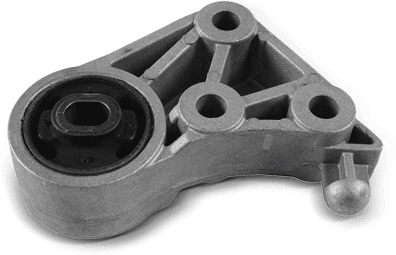
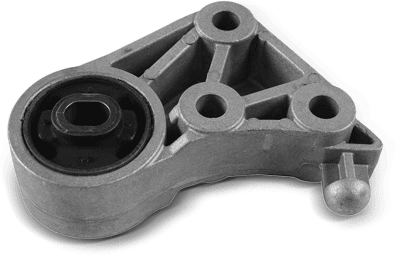
Similar search terms for SASIC-9002515-Holder-engine
Top-Angebote
Products related to SASIC-9002515-Holder-engine:
-
SASIC 9001410 Holder, engine mountingFitting Position: transmission sided; for OE number: 22316771220; Mounting Type: Rubber-Metal Mount; Production date to: 12/92, 09/08, 09/01, 03/05, 03/03, 09/07, 03/10, 01/12/10; Transmission Type: Automatic Transmission, Manual Transmission, Fully Automatic; Production date from: 09/07, 09/08, 09/05, 07/07, 07/99, 01/02, 09/01, 09/04, 03/05, 03/07, 07/08, 01/08, 03/10, 10/09, 09/09, 05/04; Transmission Code: BV68,99 £*Shipping: 8,45 £Secure redirect to the provider
-
SASIC 9001413 Holder, engine mountingFitting Position: transmission sided; for OE number: 22316771219; Mounting Type: Rubber-Metal Mount; Production date from: 09/93, 09/05, 03/06, 10/94, 03/07, 01/00, 10/98, 10/99, 07/00, 03/01, 09/01, 03/05, 09/07, 09/06, 03/10, 03/08, 01/08, 07/07, 03/09, 05/04, 03/97; Production date to: 09/07, 08/00, 09/08, 03/03, 03/04, 03/10, 08/08, 01/12/10, 12/06, 07/00; Transmission Type: Automatic Transmission, 5-Speed Manual Transmission, Fully Automatic; Construction Year to: 02/1998, 03/19997,29 £*Shipping: 8,45 £Secure redirect to the provider
-
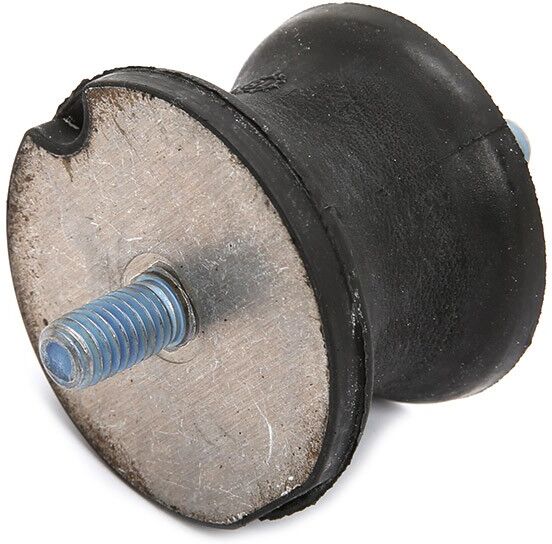
SASIC 2706014 Holder, engine mountingFitting Position: transmission sided, Rear; for OE number: 1347798; Mounting Type: Rubber-Metal Mount; Production date from: 23/08/10, 23/06/03, 03/01/11, 03/12/07, 17/05/05, 14/04/05, 09/13, 13/04/15; Production date to: 02/06/15, 21/07/15, 03/12/07, 15/01/08, 23/07/10, 12/1332,99 £*Shipping: 8,45 £Secure redirect to the provider



-
How many valves does a V-engine have?
A V-engine typically has two valves per cylinder, one for intake and one for exhaust. This means that a V6 engine, which has six cylinders, would have a total of 12 valves (6 intake valves and 6 exhaust valves). Similarly, a V8 engine with eight cylinders would have a total of 16 valves (8 intake valves and 8 exhaust valves). The number of valves in a V-engine is determined by the number of cylinders it has. **
-
Why does a two-stroke engine not have valves?
A two-stroke engine does not have valves because it operates on a simpler principle than a four-stroke engine. In a two-stroke engine, the intake and exhaust processes are combined into one stroke, so there is no need for separate intake and exhaust valves. Instead, the fuel-air mixture is drawn into the combustion chamber and the exhaust gases are expelled through ports in the cylinder wall, eliminating the need for valves. This design makes the two-stroke engine lighter, more compact, and easier to maintain. **
-
Which bicycle phone holder?
When choosing a bicycle phone holder, it is important to consider factors such as compatibility with your phone size, ease of installation, durability, and stability while riding. Look for a holder that securely grips your phone and provides easy access to the screen and buttons. Additionally, consider features like waterproofing and shock absorption to protect your phone during rides. Researching customer reviews and ratings can also help you find a reliable and suitable bicycle phone holder for your needs. **
-
How do you remove the valves on a 1-cylinder engine?
To remove the valves on a 1-cylinder engine, you will first need to remove the cylinder head. This typically involves removing the bolts or screws that secure the cylinder head to the engine block. Once the cylinder head is removed, you can access the valves. To remove the valves, you will need a valve spring compressor tool to compress the valve spring and remove the valve keepers. With the valve keepers removed, you can then take out the valves from the cylinder head. **


How do you remove the valves on a single-cylinder engine?
To remove the valves on a single-cylinder engine, you will first need to remove the cylinder head. Once the cylinder head is off, you can access the valves. Next, you will need to compress the valve spring using a valve spring compressor tool to remove the keepers that hold the valve in place. Once the keepers are removed, you can take out the valve and inspect it for any damage or wear. Repeat this process for each valve that needs to be removed. **
What is a fuse holder?
A fuse holder is a device that is used to hold and protect a fuse. It is designed to securely hold the fuse in place and provide a connection for the electrical circuit. Fuse holders come in various shapes and sizes, and they are commonly used in electrical systems to protect against overcurrent and short circuits. They are typically made of durable materials such as plastic or metal to ensure the safety and reliability of the electrical circuit. **
Top-Angebote
Products related to SASIC-9002515-Holder-engine:
-
SASIC 9001410 Holder, engine mountingFitting Position: transmission sided; for OE number: 22316771220; Mounting Type: Rubber-Metal Mount; Production date to: 12/92, 09/08, 09/01, 03/05, 03/03, 09/07, 03/10, 01/12/10; Transmission Type: Automatic Transmission, Manual Transmission, Fully Automatic; Production date from: 09/07, 09/08, 09/05, 07/07, 07/99, 01/02, 09/01, 09/04, 03/05, 03/07, 07/08, 01/08, 03/10, 10/09, 09/09, 05/04; Transmission Code: BV68,99 £*Shipping: 8,45 £Secure redirect to the provider
-
How does a diesel engine recognize valves?
A diesel engine recognizes valves through the use of a camshaft, which is responsible for opening and closing the valves at the correct times. The camshaft is connected to the crankshaft and is synchronized to the engine's rotation, allowing it to control the timing of the valves. As the camshaft rotates, it pushes against the valves, causing them to open and close in coordination with the engine's combustion cycle. This precise timing is crucial for the efficient operation of the diesel engine. **
-
Why doesn't a moped engine have valves?
A moped engine typically does not have valves because it uses a simpler design called a two-stroke engine. In a two-stroke engine, the intake and exhaust processes are controlled by ports in the cylinder wall, eliminating the need for valves. This design allows for a lighter and more compact engine, making it well-suited for the small size and low power requirements of a moped. Additionally, the absence of valves reduces the complexity and cost of the engine, making it more affordable for moped manufacturers and users. **
-
How many valves does a V-engine have?
A V-engine typically has two valves per cylinder, one for intake and one for exhaust. This means that a V6 engine, which has six cylinders, would have a total of 12 valves (6 intake valves and 6 exhaust valves). Similarly, a V8 engine with eight cylinders would have a total of 16 valves (8 intake valves and 8 exhaust valves). The number of valves in a V-engine is determined by the number of cylinders it has. **
-
Why does a two-stroke engine not have valves?
A two-stroke engine does not have valves because it operates on a simpler principle than a four-stroke engine. In a two-stroke engine, the intake and exhaust processes are combined into one stroke, so there is no need for separate intake and exhaust valves. Instead, the fuel-air mixture is drawn into the combustion chamber and the exhaust gases are expelled through ports in the cylinder wall, eliminating the need for valves. This design makes the two-stroke engine lighter, more compact, and easier to maintain. **
Similar search terms for SASIC-9002515-Holder-engine
-
SASIC 9001413 Holder, engine mountingFitting Position: transmission sided; for OE number: 22316771219; Mounting Type: Rubber-Metal Mount; Production date from: 09/93, 09/05, 03/06, 10/94, 03/07, 01/00, 10/98, 10/99, 07/00, 03/01, 09/01, 03/05, 09/07, 09/06, 03/10, 03/08, 01/08, 07/07, 03/09, 05/04, 03/97; Production date to: 09/07, 08/00, 09/08, 03/03, 03/04, 03/10, 08/08, 01/12/10, 12/06, 07/00; Transmission Type: Automatic Transmission, 5-Speed Manual Transmission, Fully Automatic; Construction Year to: 02/1998, 03/19997,29 £*Shipping: 8,45 £Secure redirect to the provider
-
SASIC 2706014 Holder, engine mountingFitting Position: transmission sided, Rear; for OE number: 1347798; Mounting Type: Rubber-Metal Mount; Production date from: 23/08/10, 23/06/03, 03/01/11, 03/12/07, 17/05/05, 14/04/05, 09/13, 13/04/15; Production date to: 02/06/15, 21/07/15, 03/12/07, 15/01/08, 23/07/10, 12/1332,99 £*Shipping: 8,45 £Secure redirect to the provider
-
Which bicycle phone holder?
When choosing a bicycle phone holder, it is important to consider factors such as compatibility with your phone size, ease of installation, durability, and stability while riding. Look for a holder that securely grips your phone and provides easy access to the screen and buttons. Additionally, consider features like waterproofing and shock absorption to protect your phone during rides. Researching customer reviews and ratings can also help you find a reliable and suitable bicycle phone holder for your needs. **
-
How do you remove the valves on a 1-cylinder engine?
To remove the valves on a 1-cylinder engine, you will first need to remove the cylinder head. This typically involves removing the bolts or screws that secure the cylinder head to the engine block. Once the cylinder head is removed, you can access the valves. To remove the valves, you will need a valve spring compressor tool to compress the valve spring and remove the valve keepers. With the valve keepers removed, you can then take out the valves from the cylinder head. **
-
How do you remove the valves on a single-cylinder engine?
To remove the valves on a single-cylinder engine, you will first need to remove the cylinder head. Once the cylinder head is off, you can access the valves. Next, you will need to compress the valve spring using a valve spring compressor tool to remove the keepers that hold the valve in place. Once the keepers are removed, you can take out the valve and inspect it for any damage or wear. Repeat this process for each valve that needs to be removed. **
-
What is a fuse holder?
A fuse holder is a device that is used to hold and protect a fuse. It is designed to securely hold the fuse in place and provide a connection for the electrical circuit. Fuse holders come in various shapes and sizes, and they are commonly used in electrical systems to protect against overcurrent and short circuits. They are typically made of durable materials such as plastic or metal to ensure the safety and reliability of the electrical circuit. **
* All prices are inclusive of VAT and, if applicable, plus shipping costs. The offer information is based on the details provided by the respective shop and is updated through automated processes. Real-time updates do not occur, so deviations can occur in individual cases. ** Note: Parts of this content were created by AI.