Buy ksbforum.eu ?
We are moving the project
ksbforum.eu .
Are you interested in purchasing the domain
ksbforum.eu ?
domain@kv-gmbh.de · 0541-91531010
Buy ksbforum.eu ?
How do I calculate refraction or the angle of refraction?
To calculate refraction or the angle of refraction, you can use Snell's Law, which relates the angles of incidence and refraction to the refractive indices of the two mediums involved. The formula is n1*sin(theta1) = n2*sin(theta2), where n1 and n2 are the refractive indices of the two mediums, and theta1 and theta2 are the angles of incidence and refraction, respectively. By rearranging this formula, you can solve for the angle of refraction when given the angle of incidence and refractive indices of the mediums. **
What is the angle of refraction in the refraction of light?
The angle of refraction in the refraction of light is the angle between the refracted ray and the normal to the surface at the point of incidence. It is determined by Snell's Law, which states that the ratio of the sine of the angle of incidence to the sine of the angle of refraction is equal to the ratio of the velocities of light in the two media. The angle of refraction can be calculated using the formula: n1*sin(θ1) = n2*sin(θ2), where n1 and n2 are the refractive indices of the two media, and θ1 and θ2 are the angles of incidence and refraction, respectively. **
Similar search terms for Refraction
Top-Angebote
Products related to Refraction:
-
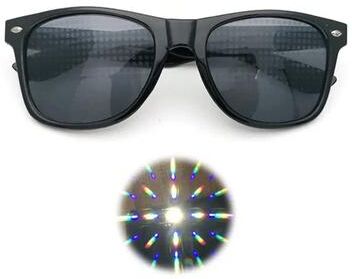
Quick Pick Pro Prism Effect Diffraction Glasses For Raves & Festivals Black Frame Rave Glasses With Light Refraction Lenses Prism Effect Diffraction Glasses For Raves & Festivals Black Frame Rave Glasses With Light Refraction LensesStep into a world where light becomes a living celebration. These Prism Effect diffraction glasses turn every laser, LED and stage light into vibrant, kaleidoscopic visuals that pull you deeper into the moment. Designed for music lovers, festival...41,97 $*Shipping: 0,00 $Secure redirect to the provider
-
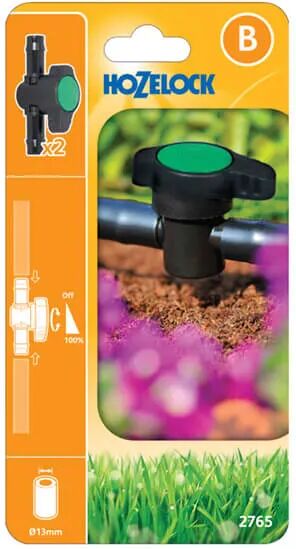
Hozelock Automatic Watering 13mm Flow Control ValvesTake full control of your garden irrigation with the Hozelock 13mm Flow Control Valves, specially designed to regulate water flow within low-pressure automatic watering systems. Perfect for use with Hozelock’s 13mm irrigation supply pipes, these inline valves give you precision control over individual watering zones. Whether you need to isolate parts of your system or simply adjust water flow to suit specific plant needs, these durable flow control valves are the ideal solution. Easily fitted in-line to your existing 13mm supply pipe, they allow you to reduce or shut off water flow as required, helping to conserve water and tailor delivery to each area of your garden. Made from UV-resistant materials, these valves are built to withstand outdoor conditions, ensuring long-lasting performance season after season. Ideal for use in flower beds, borders, vegetable gardens, greenhouses, and more, these valves make it easy to customise irrigation to suit plant type, location, and water requirements. Supplied as a set of two and covered by a manufacturer's 2-year guarantee.15,49 £*Shipping: 3,50 £Secure redirect to the provider
-
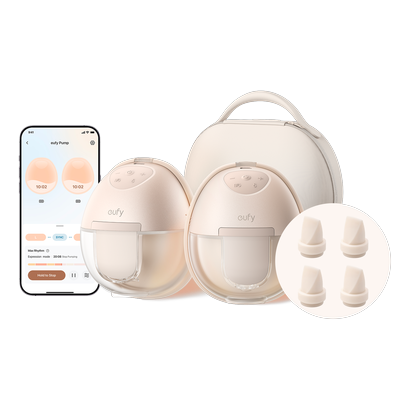
eufy Breast Pump S1 Pro & Duckbill Valves (4-Pack) eufy Breast Pump S1 Pro & Original Duckbill Valves (4-Pack)HSA/FSA Eligible: Save with pre-tax health dollars. Breast pump S1 pro: The Innovative Heated Wearable Breast Pump: Groundbreaking HeatFlow™ technology prevents clogs and boosts your output by 30%¹. Enjoy high-efficiency pumping with spa-like...354,99 $*Shipping: 0,00 $Secure redirect to the provider

-
How do I calculate the refraction or the angle of refraction?
To calculate the angle of refraction, you can use Snell's Law, which states that the ratio of the sine of the angle of incidence to the sine of the angle of refraction is equal to the ratio of the velocities of light in the two different mediums. Mathematically, this can be expressed as n1*sin(theta1) = n2*sin(theta2), where n1 and n2 are the refractive indices of the two mediums, and theta1 and theta2 are the angles of incidence and refraction, respectively. By rearranging this equation, you can solve for the angle of refraction. **
-
What is the law of refraction?
The law of refraction, also known as Snell's law, describes the relationship between the angles of incidence and refraction when a wave, such as light or sound, passes from one medium to another. It states that the ratio of the sine of the angle of incidence to the sine of the angle of refraction is equal to the ratio of the velocities of the wave in the two media. In other words, the law of refraction quantifies how much a wave bends as it passes from one medium to another, such as from air to water or from air to glass. **
-
What is refraction in a prism?
Refraction in a prism is the bending of light as it passes through the prism due to the change in speed of light in different mediums. When light enters a prism, it slows down and bends towards the normal line, then as it exits the prism, it speeds up and bends away from the normal line. This bending of light causes the different colors of the spectrum to separate and create a rainbow effect. **
-
What is the refraction of the wave?
Refraction of a wave is the change in direction and speed of the wave as it passes from one medium to another. This occurs because the wave changes speed as it enters a new medium, causing it to bend. The amount of refraction depends on the change in speed and the angle at which the wave enters the new medium. Refraction is commonly observed in phenomena such as the bending of light as it passes through water or the change in direction of ocean waves as they approach the shore. **
How does light refraction work in physics?
Light refraction occurs when light travels from one medium to another, such as from air to water or from air to glass. When light enters a new medium, its speed changes, causing it to bend. This bending of light is due to the change in the light's velocity and the change in its wavelength as it moves from one medium to another. The amount of bending depends on the difference in the optical density of the two mediums, as described by Snell's Law. This phenomenon is what causes objects to appear bent or distorted when viewed through different mediums. **
What is the lens equation for refraction?
The lens equation for refraction is given by: 1/f = (n2 - n1) * (1/R1 - 1/R2) Where: - f is the focal length of the lens - n1 and n2 are the refractive indices of the two media on either side of the lens - R1 and R2 are the radii of curvature of the two surfaces of the lens This equation relates the focal length of a lens to the refractive indices and radii of curvature, and is used to calculate the behavior of light as it passes through a lens. **
Top-Angebote
Products related to Refraction:
-
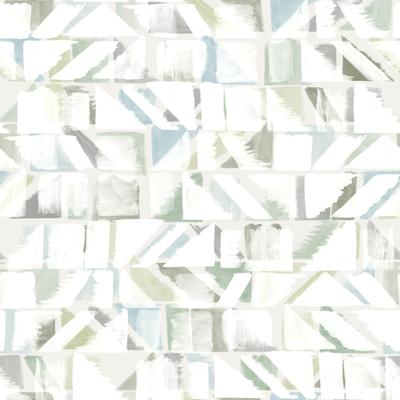
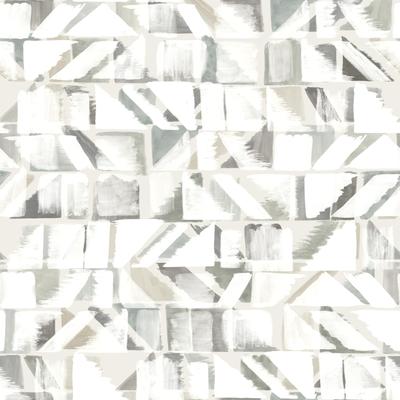
York Wallcoverings Blue Refraction Peel and Stick WallpaperPattern Refraction is a fractured geometric with the effect of a broken prism of reflected light. This Refraction Peel & Stick Wallpaper measures approximately 20.5 inches wide by 20 feet long, covering About 34.2 square feet per roll.53,49 $*Shipping: 0,00 $Secure redirect to the provider
-
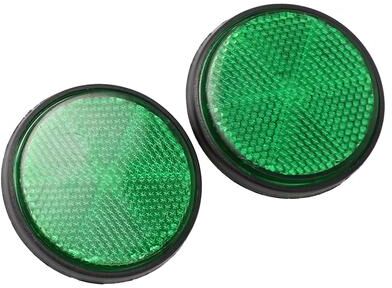
Smart Shopping Spot Motorcycle Night Reflector, Circular Reflector For Cars, Trucks, Refraction Light greenIlluminate Your Ride with the Circular Reflector Ensure safety and visibility during night rides with the Circular Reflector for Cars, Trucks, and Motorcycles. This easytoinstall reflector light ensures you're seen, whether driving a car, truck, or...22,97 $*Shipping: 0,00 $Secure redirect to the provider
-
Quick Pick Pro Prism Effect Diffraction Glasses For Raves & Festivals Black Frame Rave Glasses With Light Refraction Lenses Prism Effect Diffraction Glasses For Raves & Festivals Black Frame Rave Glasses With Light Refraction LensesStep into a world where light becomes a living celebration. These Prism Effect diffraction glasses turn every laser, LED and stage light into vibrant, kaleidoscopic visuals that pull you deeper into the moment. Designed for music lovers, festival...41,97 $*Shipping: 0,00 $Secure redirect to the provider
-
Hozelock Automatic Watering 13mm Flow Control ValvesTake full control of your garden irrigation with the Hozelock 13mm Flow Control Valves, specially designed to regulate water flow within low-pressure automatic watering systems. Perfect for use with Hozelock’s 13mm irrigation supply pipes, these inline valves give you precision control over individual watering zones. Whether you need to isolate parts of your system or simply adjust water flow to suit specific plant needs, these durable flow control valves are the ideal solution. Easily fitted in-line to your existing 13mm supply pipe, they allow you to reduce or shut off water flow as required, helping to conserve water and tailor delivery to each area of your garden. Made from UV-resistant materials, these valves are built to withstand outdoor conditions, ensuring long-lasting performance season after season. Ideal for use in flower beds, borders, vegetable gardens, greenhouses, and more, these valves make it easy to customise irrigation to suit plant type, location, and water requirements. Supplied as a set of two and covered by a manufacturer's 2-year guarantee.15,49 £*Shipping: 3,50 £Secure redirect to the provider
-
How do I calculate refraction or the angle of refraction?
To calculate refraction or the angle of refraction, you can use Snell's Law, which relates the angles of incidence and refraction to the refractive indices of the two mediums involved. The formula is n1*sin(theta1) = n2*sin(theta2), where n1 and n2 are the refractive indices of the two mediums, and theta1 and theta2 are the angles of incidence and refraction, respectively. By rearranging this formula, you can solve for the angle of refraction when given the angle of incidence and refractive indices of the mediums. **
-
What is the angle of refraction in the refraction of light?
The angle of refraction in the refraction of light is the angle between the refracted ray and the normal to the surface at the point of incidence. It is determined by Snell's Law, which states that the ratio of the sine of the angle of incidence to the sine of the angle of refraction is equal to the ratio of the velocities of light in the two media. The angle of refraction can be calculated using the formula: n1*sin(θ1) = n2*sin(θ2), where n1 and n2 are the refractive indices of the two media, and θ1 and θ2 are the angles of incidence and refraction, respectively. **
-
How do I calculate the refraction or the angle of refraction?
To calculate the angle of refraction, you can use Snell's Law, which states that the ratio of the sine of the angle of incidence to the sine of the angle of refraction is equal to the ratio of the velocities of light in the two different mediums. Mathematically, this can be expressed as n1*sin(theta1) = n2*sin(theta2), where n1 and n2 are the refractive indices of the two mediums, and theta1 and theta2 are the angles of incidence and refraction, respectively. By rearranging this equation, you can solve for the angle of refraction. **
-
What is the law of refraction?
The law of refraction, also known as Snell's law, describes the relationship between the angles of incidence and refraction when a wave, such as light or sound, passes from one medium to another. It states that the ratio of the sine of the angle of incidence to the sine of the angle of refraction is equal to the ratio of the velocities of the wave in the two media. In other words, the law of refraction quantifies how much a wave bends as it passes from one medium to another, such as from air to water or from air to glass. **
Similar search terms for Refraction
-
eufy Breast Pump S1 Pro & Duckbill Valves (4-Pack) eufy Breast Pump S1 Pro & Original Duckbill Valves (4-Pack)HSA/FSA Eligible: Save with pre-tax health dollars. Breast pump S1 pro: The Innovative Heated Wearable Breast Pump: Groundbreaking HeatFlow™ technology prevents clogs and boosts your output by 30%¹. Enjoy high-efficiency pumping with spa-like...354,99 $*Shipping: 0,00 $Secure redirect to the provider
-
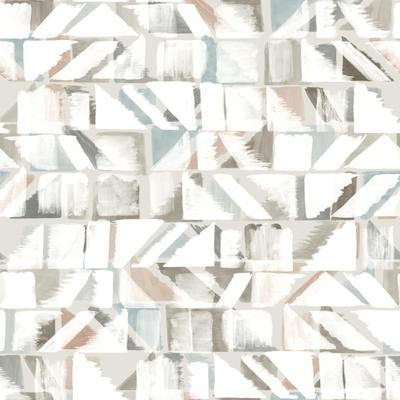
York Wallcoverings Neutral Refraction Peel and Stick WallpaperPattern Refraction is a fractured geometric with the effect of a broken prism of reflected light. This Refraction Peel & Stick Wallpaper measures approximately 20.5 inches wide by 20 feet long, covering About 34.2 square feet per roll.55,25 $*Shipping: 0,00 $Secure redirect to the provider
-
York Wallcoverings Brown and Beige Refraction Peel and Stick WallpaperPattern Refraction is a fractured geometric with the effect of a broken prism of reflected light. This Refraction Peel & Stick Wallpaper measures approximately 20.5 inches wide by 20 feet long, covering About 34.2 square feet per roll.52,99 $*Shipping: 0,00 $Secure redirect to the provider
-
What is refraction in a prism?
Refraction in a prism is the bending of light as it passes through the prism due to the change in speed of light in different mediums. When light enters a prism, it slows down and bends towards the normal line, then as it exits the prism, it speeds up and bends away from the normal line. This bending of light causes the different colors of the spectrum to separate and create a rainbow effect. **
-
What is the refraction of the wave?
Refraction of a wave is the change in direction and speed of the wave as it passes from one medium to another. This occurs because the wave changes speed as it enters a new medium, causing it to bend. The amount of refraction depends on the change in speed and the angle at which the wave enters the new medium. Refraction is commonly observed in phenomena such as the bending of light as it passes through water or the change in direction of ocean waves as they approach the shore. **
-
How does light refraction work in physics?
Light refraction occurs when light travels from one medium to another, such as from air to water or from air to glass. When light enters a new medium, its speed changes, causing it to bend. This bending of light is due to the change in the light's velocity and the change in its wavelength as it moves from one medium to another. The amount of bending depends on the difference in the optical density of the two mediums, as described by Snell's Law. This phenomenon is what causes objects to appear bent or distorted when viewed through different mediums. **
-
What is the lens equation for refraction?
The lens equation for refraction is given by: 1/f = (n2 - n1) * (1/R1 - 1/R2) Where: - f is the focal length of the lens - n1 and n2 are the refractive indices of the two media on either side of the lens - R1 and R2 are the radii of curvature of the two surfaces of the lens This equation relates the focal length of a lens to the refractive indices and radii of curvature, and is used to calculate the behavior of light as it passes through a lens. **
* All prices are inclusive of VAT and, if applicable, plus shipping costs. The offer information is based on the details provided by the respective shop and is updated through automated processes. Real-time updates do not occur, so deviations can occur in individual cases. ** Note: Parts of this content were created by AI.