Buy ksbforum.eu ?
We are moving the project
ksbforum.eu .
Are you interested in purchasing the domain
ksbforum.eu ?
domain@kv-gmbh.de · 0541-91531010
Buy ksbforum.eu ?
What is the enzyme activity of proteases?
Proteases are enzymes that break down proteins into smaller peptides or amino acids by catalyzing hydrolysis reactions. Their enzyme activity involves cleaving peptide bonds within proteins, leading to their degradation. Proteases play a crucial role in various biological processes, such as digestion, protein turnover, and cell signaling. The activity of proteases is tightly regulated to ensure proper protein function and homeostasis within cells. **
What are the reaction conditions for detergent proteases?
The reaction conditions for detergent proteases typically involve a slightly alkaline pH range of 8-10, as these enzymes are most active under basic conditions. The temperature for optimal activity usually ranges from 40-60 degrees Celsius. Additionally, the presence of metal ions such as calcium or magnesium can enhance the activity of detergent proteases. It is important to note that the specific reaction conditions may vary depending on the type of protease and the detergent formulation. **


Similar search terms for Proteases
Top-Angebote
Products related to Proteases:
-
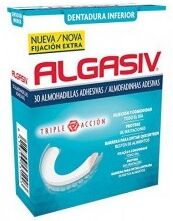
Algasiv Denture adhesive seals 18Health and Beauty Oral Care Algasiv Denture adhesive seals 18 Get the extra confidence you’re looking for. Sea Bond Denture Adhesive works differently. The cushiony, soft seal gives you all day hold without the ooze and mess of denture pastes. And it’s zinc-free. Now you can wear your dentures comfortably all day and still feel like yourself.7,64 £*Shipping: 3,99 £Secure redirect to the provider
-
Inspire Picks Rubber Shock Mount Bobbin Isolator Anti Vibration Mount For Water Pumps, Motors & Machinery bReduce vibration and noise with this rubber shock mounts bobbin isolator, designed to protect equipment from excessive movement and impact. Featuring durable rubber bonded to sturdy metal threads, this vibration mount helps absorb shocks while...34,93 $*Shipping: 0,00 $Secure redirect to the provider
-
Uplift Picks Rubber Anti Vibration Mount For Pumps Motors And Equipment aReduce shaking, noise, and movement in small machines with this rubber shock mount made for practical vibration control. It combines rubber and metal hardware to help absorb vibration between mounted parts, making it useful for water pumps, motors,...30,00 $*Shipping: 0,00 $Secure redirect to the provider
-
Uplift Picks Rubber Anti Vibration Mount For Pumps Motors And Equipment cReduce shaking, noise, and movement in small machines with this rubber shock mount made for practical vibration control. It combines rubber and metal hardware to help absorb vibration between mounted parts, making it useful for water pumps, motors,...30,00 $*Shipping: 0,00 $Secure redirect to the provider


-
How do lipases and proteases lose their effectiveness?
Lipases and proteases lose their effectiveness when they are exposed to extreme pH levels, high temperatures, or denaturing agents. Extreme pH levels can disrupt the structure of the enzymes, rendering them ineffective. High temperatures can cause the enzymes to denature, meaning their structure and function are permanently altered. Denaturing agents, such as certain chemicals or heavy metals, can also disrupt the enzymes' structure and render them ineffective. Overall, any conditions that disrupt the structure of lipases and proteases will lead to a loss of their effectiveness. **
-
Why can lipases only break down fats and proteases?
Lipases are enzymes that specifically target and break down fats because of their unique structure and active site that allows them to interact with and hydrolyze the ester bonds present in fats. Similarly, proteases are enzymes that are designed to break down proteins by targeting the peptide bonds that hold amino acids together in protein molecules. Each type of enzyme is specialized to recognize and act on specific types of chemical bonds, which is why lipases can only break down fats and proteases can only break down proteins. **
-
Why do some proteases have an extremely toxic effect?
Some proteases have an extremely toxic effect because they are able to break down essential proteins in the body, leading to severe damage and dysfunction of vital organs and systems. These proteases can disrupt important cellular processes, leading to cell death and tissue damage. Additionally, some proteases can trigger an excessive inflammatory response, leading to further tissue damage and organ failure. Overall, the ability of these proteases to disrupt normal physiological processes and cause widespread damage contributes to their extremely toxic effect. **
-
Why are proteases and lipases not long-lasting in liquid form in detergents and lose their effectiveness?
Proteases and lipases are enzymes that break down protein and lipid molecules, respectively, in stains. In liquid form in detergents, these enzymes are not long-lasting because they are susceptible to denaturation and degradation by factors such as temperature, pH, and the presence of other chemicals. Additionally, these enzymes can be deactivated by the surfactants and other ingredients in the detergent formulation. As a result, their effectiveness diminishes over time, leading to a decrease in their stain-removing capabilities. **


Can you explain the mode of action of proteases on proteins using the example of the protein gelatin? The most common amino acid in gelatin is glycine.
Proteases are enzymes that break down proteins by cleaving the peptide bonds between amino acids. In the case of gelatin, which is a protein derived from collagen, proteases work by breaking the peptide bonds between the amino acids in the protein chain. The most common amino acid in gelatin is glycine, and proteases would cleave the peptide bonds involving glycine, leading to the breakdown of the gelatin protein into smaller peptides and eventually into individual amino acids. This process of protease action on gelatin results in the degradation of the protein structure and the loss of its functional properties. **
How does suspension filtration work?
Suspension filtration works by passing a mixture of solid particles and liquid through a filter medium. The solid particles are too large to pass through the filter, so they are retained on the surface or within the pores of the filter. The liquid, which is now free of the solid particles, passes through the filter and is collected on the other side. This process separates the solid particles from the liquid, allowing for the purification or concentration of the liquid. **
Top-Angebote
Products related to Proteases:
-
Uplift Picks Rubber Anti Vibration Mount For Pumps Motors And Equipment bReduce shaking, noise, and movement in small machines with this rubber shock mount made for practical vibration control. It combines rubber and metal hardware to help absorb vibration between mounted parts, making it useful for water pumps, motors,...30,00 $*Shipping: 0,00 $Secure redirect to the provider
-
Algasiv Denture adhesive sealsHealth and Beauty Oral Care Algasiv Denture adhesive seals Get the extra confidence you’re looking for. Sea Bond Denture Adhesive works differently. The cushiony, soft seal gives you all day hold without the ooze and mess of denture pastes. And it’s zinc-free. Now you can wear your dentures comfortably all day and still feel like yourself. Presentation 18 units.7,64 £*Shipping: 3,99 £Secure redirect to the provider
-
Algasiv Denture adhesive seals 18Health and Beauty Oral Care Algasiv Denture adhesive seals 18 Get the extra confidence you’re looking for. Sea Bond Denture Adhesive works differently. The cushiony, soft seal gives you all day hold without the ooze and mess of denture pastes. And it’s zinc-free. Now you can wear your dentures comfortably all day and still feel like yourself.7,64 £*Shipping: 3,99 £Secure redirect to the provider
-
Inspire Picks Rubber Shock Mount Bobbin Isolator Anti Vibration Mount For Water Pumps, Motors & Machinery bReduce vibration and noise with this rubber shock mounts bobbin isolator, designed to protect equipment from excessive movement and impact. Featuring durable rubber bonded to sturdy metal threads, this vibration mount helps absorb shocks while...34,93 $*Shipping: 0,00 $Secure redirect to the provider
-
What is the enzyme activity of proteases?
Proteases are enzymes that break down proteins into smaller peptides or amino acids by catalyzing hydrolysis reactions. Their enzyme activity involves cleaving peptide bonds within proteins, leading to their degradation. Proteases play a crucial role in various biological processes, such as digestion, protein turnover, and cell signaling. The activity of proteases is tightly regulated to ensure proper protein function and homeostasis within cells. **
-
What are the reaction conditions for detergent proteases?
The reaction conditions for detergent proteases typically involve a slightly alkaline pH range of 8-10, as these enzymes are most active under basic conditions. The temperature for optimal activity usually ranges from 40-60 degrees Celsius. Additionally, the presence of metal ions such as calcium or magnesium can enhance the activity of detergent proteases. It is important to note that the specific reaction conditions may vary depending on the type of protease and the detergent formulation. **
-
How do lipases and proteases lose their effectiveness?
Lipases and proteases lose their effectiveness when they are exposed to extreme pH levels, high temperatures, or denaturing agents. Extreme pH levels can disrupt the structure of the enzymes, rendering them ineffective. High temperatures can cause the enzymes to denature, meaning their structure and function are permanently altered. Denaturing agents, such as certain chemicals or heavy metals, can also disrupt the enzymes' structure and render them ineffective. Overall, any conditions that disrupt the structure of lipases and proteases will lead to a loss of their effectiveness. **
-
Why can lipases only break down fats and proteases?
Lipases are enzymes that specifically target and break down fats because of their unique structure and active site that allows them to interact with and hydrolyze the ester bonds present in fats. Similarly, proteases are enzymes that are designed to break down proteins by targeting the peptide bonds that hold amino acids together in protein molecules. Each type of enzyme is specialized to recognize and act on specific types of chemical bonds, which is why lipases can only break down fats and proteases can only break down proteins. **
Similar search terms for Proteases
-
Uplift Picks Rubber Anti Vibration Mount For Pumps Motors And Equipment aReduce shaking, noise, and movement in small machines with this rubber shock mount made for practical vibration control. It combines rubber and metal hardware to help absorb vibration between mounted parts, making it useful for water pumps, motors,...30,00 $*Shipping: 0,00 $Secure redirect to the provider
-
Uplift Picks Rubber Anti Vibration Mount For Pumps Motors And Equipment cReduce shaking, noise, and movement in small machines with this rubber shock mount made for practical vibration control. It combines rubber and metal hardware to help absorb vibration between mounted parts, making it useful for water pumps, motors,...30,00 $*Shipping: 0,00 $Secure redirect to the provider
-
Inspire Picks Rubber Shock Mount Bobbin Isolator Anti Vibration Mount For Water Pumps, Motors & Machinery dReduce vibration and noise with this rubber shock mounts bobbin isolator, designed to protect equipment from excessive movement and impact. Featuring durable rubber bonded to sturdy metal threads, this vibration mount helps absorb shocks while...34,93 $*Shipping: 0,00 $Secure redirect to the provider
-
Inspire Picks Rubber Shock Mount Bobbin Isolator Anti Vibration Mount For Water Pumps, Motors & Machinery fReduce vibration and noise with this rubber shock mounts bobbin isolator, designed to protect equipment from excessive movement and impact. Featuring durable rubber bonded to sturdy metal threads, this vibration mount helps absorb shocks while...34,93 $*Shipping: 0,00 $Secure redirect to the provider
-
Why do some proteases have an extremely toxic effect?
Some proteases have an extremely toxic effect because they are able to break down essential proteins in the body, leading to severe damage and dysfunction of vital organs and systems. These proteases can disrupt important cellular processes, leading to cell death and tissue damage. Additionally, some proteases can trigger an excessive inflammatory response, leading to further tissue damage and organ failure. Overall, the ability of these proteases to disrupt normal physiological processes and cause widespread damage contributes to their extremely toxic effect. **
-
Why are proteases and lipases not long-lasting in liquid form in detergents and lose their effectiveness?
Proteases and lipases are enzymes that break down protein and lipid molecules, respectively, in stains. In liquid form in detergents, these enzymes are not long-lasting because they are susceptible to denaturation and degradation by factors such as temperature, pH, and the presence of other chemicals. Additionally, these enzymes can be deactivated by the surfactants and other ingredients in the detergent formulation. As a result, their effectiveness diminishes over time, leading to a decrease in their stain-removing capabilities. **
-
Can you explain the mode of action of proteases on proteins using the example of the protein gelatin? The most common amino acid in gelatin is glycine.
Proteases are enzymes that break down proteins by cleaving the peptide bonds between amino acids. In the case of gelatin, which is a protein derived from collagen, proteases work by breaking the peptide bonds between the amino acids in the protein chain. The most common amino acid in gelatin is glycine, and proteases would cleave the peptide bonds involving glycine, leading to the breakdown of the gelatin protein into smaller peptides and eventually into individual amino acids. This process of protease action on gelatin results in the degradation of the protein structure and the loss of its functional properties. **
-
How does suspension filtration work?
Suspension filtration works by passing a mixture of solid particles and liquid through a filter medium. The solid particles are too large to pass through the filter, so they are retained on the surface or within the pores of the filter. The liquid, which is now free of the solid particles, passes through the filter and is collected on the other side. This process separates the solid particles from the liquid, allowing for the purification or concentration of the liquid. **
* All prices are inclusive of VAT and, if applicable, plus shipping costs. The offer information is based on the details provided by the respective shop and is updated through automated processes. Real-time updates do not occur, so deviations can occur in individual cases. ** Note: Parts of this content were created by AI.