Buy ksbforum.eu ?
We are moving the project
ksbforum.eu .
Are you interested in purchasing the domain
ksbforum.eu ?
domain@kv-gmbh.de · 0541-91531010
Buy ksbforum.eu ?
Can polynomials be normalized?
Yes, polynomials can be normalized by dividing each term by the leading coefficient. This process ensures that the leading coefficient of the polynomial is equal to 1, making it easier to compare and analyze different polynomials. Normalizing polynomials can also help simplify calculations and make it easier to identify important characteristics of the polynomial, such as its degree and leading term. **
How do you calculate polynomials?
To calculate polynomials, you first need to identify the terms of the polynomial, which are the individual parts separated by addition or subtraction. Then, you combine like terms by adding or subtracting the coefficients of the same variables raised to the same powers. Finally, you simplify the expression by combining any remaining like terms. If there are any exponents, you can use the rules of exponents to simplify further. **

Similar search terms for Polynomials
Top-Angebote
Products related to Polynomials:
-
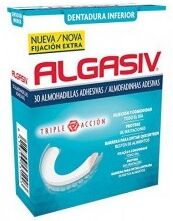
Algasiv Denture adhesive seals 30 UnitsHealth and Beauty Oral Care Algasiv Denture adhesive seals 30 Units Get the extra confidence you’re looking for. Sea Bond Denture Adhesive works differently. The cushiony, soft seal gives you all day hold without the ooze and mess of denture pastes. And it’s zinc-free. Now you can wear your dentures comfortably all day and still feel like yourself.11,21 £*Shipping: 3,99 £Secure redirect to the provider
-
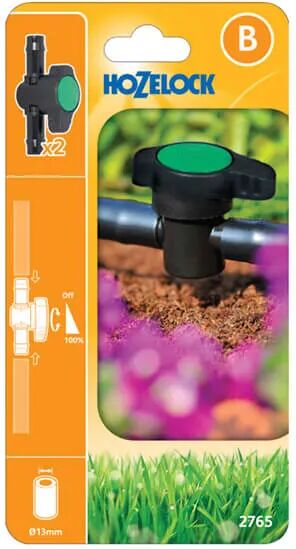
Hozelock Automatic Watering 13mm Flow Control ValvesTake full control of your garden irrigation with the Hozelock 13mm Flow Control Valves, specially designed to regulate water flow within low-pressure automatic watering systems. Perfect for use with Hozelock’s 13mm irrigation supply pipes, these inline valves give you precision control over individual watering zones. Whether you need to isolate parts of your system or simply adjust water flow to suit specific plant needs, these durable flow control valves are the ideal solution. Easily fitted in-line to your existing 13mm supply pipe, they allow you to reduce or shut off water flow as required, helping to conserve water and tailor delivery to each area of your garden. Made from UV-resistant materials, these valves are built to withstand outdoor conditions, ensuring long-lasting performance season after season. Ideal for use in flower beds, borders, vegetable gardens, greenhouses, and more, these valves make it easy to customise irrigation to suit plant type, location, and water requirements. Supplied as a set of two and covered by a manufacturer's 2-year guarantee.15,49 £*Shipping: 3,50 £Secure redirect to the provider
-
eufy Breast Pump S1 Pro & Duckbill Valves (4-Pack) eufy Breast Pump S1 Pro & Original Duckbill Valves (4-Pack)HSA/FSA Eligible: Save with pre-tax health dollars. Breast pump S1 pro: The Innovative Heated Wearable Breast Pump: Groundbreaking HeatFlow™ technology prevents clogs and boosts your output by 30%¹. Enjoy high-efficiency pumping with spa-like...279,99 $*Shipping: 0,00 $Secure redirect to the provider
-
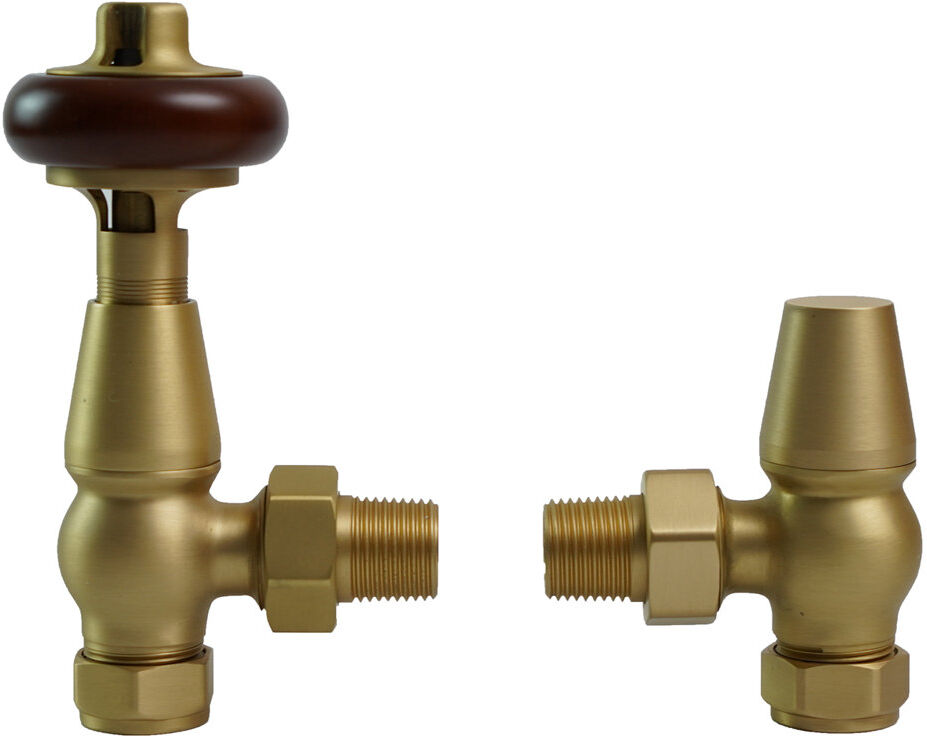
Belfry Bathroom Traditional TRV Thermostatic Radiator Valves Brushed BrassFeatures:-Material: Brass-Valve Type: Thermostatic-Style: Angled-Connections: 15mm inlet, 1/2" BSP MI outlet-Suitable for central heating radiators or towel rails-Colour: Antique Brass-LockShield IncludedNote:Images for illustration purposes colours may differ depending on your device screen and lighting Brand Name: Belfry Bathroom. Finish: Brushed Brass42,99 £*Shipping: 4,99 £Secure redirect to the provider

-
What is the reflection of polynomials?
The reflection of a polynomial is a transformation that flips the graph of the polynomial over a specified line, such as the x-axis or the y-axis. This transformation results in a mirror image of the original graph across the specified line. The reflection of a polynomial can be achieved by replacing x with -x in the polynomial function, which effectively reflects the graph across the y-axis. This transformation can help visualize the symmetry of the polynomial and its behavior across different axes. **
-
How does factoring third degree polynomials work?
Factoring third degree polynomials involves finding the roots of the polynomial, which are the values of x that make the polynomial equal to zero. Once the roots are found, the polynomial can be factored using the roots as factors. This process can be done using various methods such as the rational root theorem, synthetic division, or the factor theorem. By factoring the polynomial, we can express it as a product of linear and quadratic factors, making it easier to analyze and solve. **
-
How can one use complex numbers in polynomials?
Complex numbers can be used in polynomials as roots or solutions to the polynomial equation. For example, if a polynomial has complex roots, these can be used to factorize the polynomial into linear factors. Additionally, complex numbers can be used to solve higher degree polynomial equations using methods such as the Fundamental Theorem of Algebra and the Factor Theorem. Overall, complex numbers provide a way to extend the solutions of polynomial equations beyond just real numbers. **
-
Which polynomials have a value different from zero?
Polynomials with non-zero coefficients have values different from zero. A polynomial is a sum of terms, each of which is a constant multiplied by a variable raised to a non-negative integer power. If any of the coefficients in the polynomial are non-zero, then the polynomial will have a value different from zero for certain input values of the variable. **


Do polynomials with alternating signs only have positive roots?
No, polynomials with alternating signs do not necessarily have only positive roots. The signs of the roots of a polynomial depend on the degree and the specific coefficients of the polynomial. For example, a polynomial with alternating signs could have a mix of positive and negative roots, or it could have all positive or all negative roots. The signs of the roots are determined by the complex interplay of the coefficients and the degree of the polynomial. **
How to create polynomials that have no real roots?
One way to create polynomials that have no real roots is to have all the roots be complex numbers. This can be achieved by using quadratic polynomials with a negative discriminant, resulting in complex conjugate roots. Another method is to have the polynomial be of odd degree, as odd-degree polynomials always have at least one real root. Additionally, by using higher degree polynomials with carefully chosen coefficients, it is possible to ensure that all roots are complex. **
Top-Angebote
Products related to Polynomials:
-
Algasiv Denture adhesive sealsHealth and Beauty Oral Care Algasiv Denture adhesive seals Get the extra confidence you’re looking for. Sea Bond Denture Adhesive works differently. The cushiony, soft seal gives you all day hold without the ooze and mess of denture pastes. And it’s zinc-free. Now you can wear your dentures comfortably all day and still feel like yourself. Presentation 18 units.7,69 £*Shipping: 3,99 £Secure redirect to the provider
-
Algasiv Denture adhesive seals 18Health and Beauty Oral Care Algasiv Denture adhesive seals 18 Get the extra confidence you’re looking for. Sea Bond Denture Adhesive works differently. The cushiony, soft seal gives you all day hold without the ooze and mess of denture pastes. And it’s zinc-free. Now you can wear your dentures comfortably all day and still feel like yourself.7,69 £*Shipping: 3,99 £Secure redirect to the provider
-
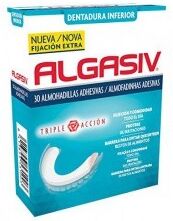
Algasiv Denture adhesive seals 30 UnitsHealth and Beauty Oral Care Algasiv Denture adhesive seals 30 Units Get the extra confidence you’re looking for. Sea Bond Denture Adhesive works differently. The cushiony, soft seal gives you all day hold without the ooze and mess of denture pastes. And it’s zinc-free. Now you can wear your dentures comfortably all day and still feel like yourself.11,21 £*Shipping: 3,99 £Secure redirect to the provider
-
Hozelock Automatic Watering 13mm Flow Control ValvesTake full control of your garden irrigation with the Hozelock 13mm Flow Control Valves, specially designed to regulate water flow within low-pressure automatic watering systems. Perfect for use with Hozelock’s 13mm irrigation supply pipes, these inline valves give you precision control over individual watering zones. Whether you need to isolate parts of your system or simply adjust water flow to suit specific plant needs, these durable flow control valves are the ideal solution. Easily fitted in-line to your existing 13mm supply pipe, they allow you to reduce or shut off water flow as required, helping to conserve water and tailor delivery to each area of your garden. Made from UV-resistant materials, these valves are built to withstand outdoor conditions, ensuring long-lasting performance season after season. Ideal for use in flower beds, borders, vegetable gardens, greenhouses, and more, these valves make it easy to customise irrigation to suit plant type, location, and water requirements. Supplied as a set of two and covered by a manufacturer's 2-year guarantee.15,49 £*Shipping: 3,50 £Secure redirect to the provider
-
Can polynomials be normalized?
Yes, polynomials can be normalized by dividing each term by the leading coefficient. This process ensures that the leading coefficient of the polynomial is equal to 1, making it easier to compare and analyze different polynomials. Normalizing polynomials can also help simplify calculations and make it easier to identify important characteristics of the polynomial, such as its degree and leading term. **
-
How do you calculate polynomials?
To calculate polynomials, you first need to identify the terms of the polynomial, which are the individual parts separated by addition or subtraction. Then, you combine like terms by adding or subtracting the coefficients of the same variables raised to the same powers. Finally, you simplify the expression by combining any remaining like terms. If there are any exponents, you can use the rules of exponents to simplify further. **
-
What is the reflection of polynomials?
The reflection of a polynomial is a transformation that flips the graph of the polynomial over a specified line, such as the x-axis or the y-axis. This transformation results in a mirror image of the original graph across the specified line. The reflection of a polynomial can be achieved by replacing x with -x in the polynomial function, which effectively reflects the graph across the y-axis. This transformation can help visualize the symmetry of the polynomial and its behavior across different axes. **
-
How does factoring third degree polynomials work?
Factoring third degree polynomials involves finding the roots of the polynomial, which are the values of x that make the polynomial equal to zero. Once the roots are found, the polynomial can be factored using the roots as factors. This process can be done using various methods such as the rational root theorem, synthetic division, or the factor theorem. By factoring the polynomial, we can express it as a product of linear and quadratic factors, making it easier to analyze and solve. **
Similar search terms for Polynomials
-
eufy Breast Pump S1 Pro & Duckbill Valves (4-Pack) eufy Breast Pump S1 Pro & Original Duckbill Valves (4-Pack)HSA/FSA Eligible: Save with pre-tax health dollars. Breast pump S1 pro: The Innovative Heated Wearable Breast Pump: Groundbreaking HeatFlow™ technology prevents clogs and boosts your output by 30%¹. Enjoy high-efficiency pumping with spa-like...279,99 $*Shipping: 0,00 $Secure redirect to the provider
-
Belfry Bathroom Traditional TRV Thermostatic Radiator Valves Brushed BrassFeatures:-Material: Brass-Valve Type: Thermostatic-Style: Angled-Connections: 15mm inlet, 1/2" BSP MI outlet-Suitable for central heating radiators or towel rails-Colour: Antique Brass-LockShield IncludedNote:Images for illustration purposes colours may differ depending on your device screen and lighting Brand Name: Belfry Bathroom. Finish: Brushed Brass42,99 £*Shipping: 4,99 £Secure redirect to the provider
-
Belfry Bathroom Traditional TRV Thermostatic Radiator Valves Nickel BlackFeatures:-Material: Brass-Valve Type: Thermostatic-Style: Angled-Connections: 15mm inlet, 1/2" BSP MI outlet-Suitable for central heating radiators or towel rails-Colour: Antique Brass-LockShield IncludedNote:Images for illustration purposes colours may differ depending on your device screen and lighting Brand Name: Belfry Bathroom. Finish: Nickel Black42,99 £*Shipping: 4,99 £Secure redirect to the provider
-
Belfry Bathroom Traditional TRV Thermostatic Radiator Valves Polished BrassFeatures:-Material: Brass-Valve Type: Thermostatic-Style: Angled-Connections: 15mm inlet, 1/2" BSP MI outlet-Suitable for central heating radiators or towel rails-Colour: Antique Brass-LockShield IncludedNote:Images for illustration purposes colours may differ depending on your device screen and lighting Brand Name: Belfry Bathroom. Finish: Polished Brass42,99 £*Shipping: 4,99 £Secure redirect to the provider
-
How can one use complex numbers in polynomials?
Complex numbers can be used in polynomials as roots or solutions to the polynomial equation. For example, if a polynomial has complex roots, these can be used to factorize the polynomial into linear factors. Additionally, complex numbers can be used to solve higher degree polynomial equations using methods such as the Fundamental Theorem of Algebra and the Factor Theorem. Overall, complex numbers provide a way to extend the solutions of polynomial equations beyond just real numbers. **
-
Which polynomials have a value different from zero?
Polynomials with non-zero coefficients have values different from zero. A polynomial is a sum of terms, each of which is a constant multiplied by a variable raised to a non-negative integer power. If any of the coefficients in the polynomial are non-zero, then the polynomial will have a value different from zero for certain input values of the variable. **
-
Do polynomials with alternating signs only have positive roots?
No, polynomials with alternating signs do not necessarily have only positive roots. The signs of the roots of a polynomial depend on the degree and the specific coefficients of the polynomial. For example, a polynomial with alternating signs could have a mix of positive and negative roots, or it could have all positive or all negative roots. The signs of the roots are determined by the complex interplay of the coefficients and the degree of the polynomial. **
-
How to create polynomials that have no real roots?
One way to create polynomials that have no real roots is to have all the roots be complex numbers. This can be achieved by using quadratic polynomials with a negative discriminant, resulting in complex conjugate roots. Another method is to have the polynomial be of odd degree, as odd-degree polynomials always have at least one real root. Additionally, by using higher degree polynomials with carefully chosen coefficients, it is possible to ensure that all roots are complex. **
* All prices are inclusive of VAT and, if applicable, plus shipping costs. The offer information is based on the details provided by the respective shop and is updated through automated processes. Real-time updates do not occur, so deviations can occur in individual cases. ** Note: Parts of this content were created by AI.