Buy ksbforum.eu ?
We are moving the project
ksbforum.eu .
Are you interested in purchasing the domain
ksbforum.eu ?
domain@kv-gmbh.de · 0541-91531010
Buy ksbforum.eu ?
Can you paint formwork panels?
Yes, formwork panels can be painted. However, it is important to use the appropriate type of paint that is suitable for the material of the formwork panels, such as plywood or steel. Additionally, the surface of the formwork panels should be properly prepared before painting to ensure good adhesion and a smooth finish. It is also important to consider the potential impact of the paint on the concrete surface that will come into contact with the formwork panels. **
How is used today as formwork release oil for concrete formwork used car oil?
Today, used car oil is not used as formwork release oil for concrete formwork. This is because used car oil contains contaminants and impurities that can negatively affect the quality and strength of the concrete. Instead, specialized formwork release oils are used, which are specifically designed to provide a clean and smooth release of the concrete from the formwork without compromising its integrity. These release oils are formulated to be environmentally friendly and safe for use in construction applications. **

Similar search terms for Formwork
Top-Angebote
Products related to Formwork:
-
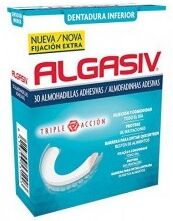
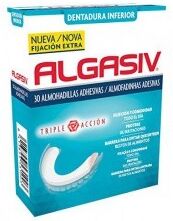
Algasiv Denture adhesive seals 30 UnitsHealth and Beauty Oral Care Algasiv Denture adhesive seals 30 Units Get the extra confidence you’re looking for. Sea Bond Denture Adhesive works differently. The cushiony, soft seal gives you all day hold without the ooze and mess of denture pastes. And it’s zinc-free. Now you can wear your dentures comfortably all day and still feel like yourself.11,21 £*Shipping: 3,99 £Secure redirect to the provider
-
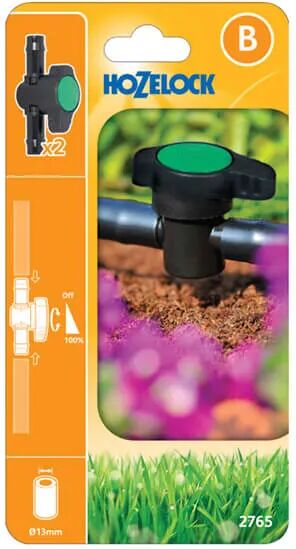
Hozelock Automatic Watering 13mm Flow Control ValvesTake full control of your garden irrigation with the Hozelock 13mm Flow Control Valves, specially designed to regulate water flow within low-pressure automatic watering systems. Perfect for use with Hozelock’s 13mm irrigation supply pipes, these inline valves give you precision control over individual watering zones. Whether you need to isolate parts of your system or simply adjust water flow to suit specific plant needs, these durable flow control valves are the ideal solution. Easily fitted in-line to your existing 13mm supply pipe, they allow you to reduce or shut off water flow as required, helping to conserve water and tailor delivery to each area of your garden. Made from UV-resistant materials, these valves are built to withstand outdoor conditions, ensuring long-lasting performance season after season. Ideal for use in flower beds, borders, vegetable gardens, greenhouses, and more, these valves make it easy to customise irrigation to suit plant type, location, and water requirements. Supplied as a set of two and covered by a manufacturer's 2-year guarantee.15,49 £*Shipping: 3,50 £Secure redirect to the provider
-
eufy Breast Pump S1 Pro & Duckbill Valves (4-Pack) eufy Breast Pump S1 Pro & Original Duckbill Valves (4-Pack)HSA/FSA Eligible: Save with pre-tax health dollars. Breast pump S1 pro: The Innovative Heated Wearable Breast Pump: Groundbreaking HeatFlow™ technology prevents clogs and boosts your output by 30%¹. Enjoy high-efficiency pumping with spa-like...279,99 $*Shipping: 0,00 $Secure redirect to the provider
-
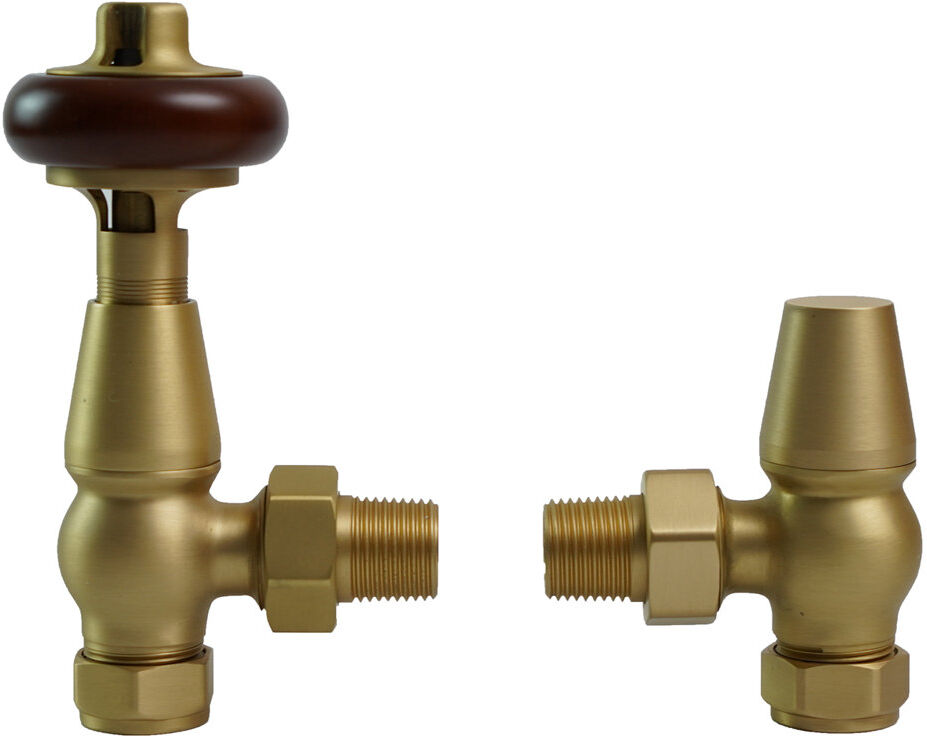
Belfry Bathroom Traditional TRV Thermostatic Radiator Valves Brushed BrassFeatures:-Material: Brass-Valve Type: Thermostatic-Style: Angled-Connections: 15mm inlet, 1/2" BSP MI outlet-Suitable for central heating radiators or towel rails-Colour: Antique Brass-LockShield IncludedNote:Images for illustration purposes colours may differ depending on your device screen and lighting Belfry Bathroom Finish: Brushed Brass42,99 £*Shipping: 4,99 £Secure redirect to the provider

-
How much do formwork boards cost?
The cost of formwork boards can vary depending on the material, size, and quality. On average, formwork boards can range from $20 to $50 per square meter. Factors such as the number of uses, durability, and ease of installation can also affect the price. It is recommended to compare prices from different suppliers to find the best option that fits your budget and project requirements. **
-
How do you plaster formwork stones?
To plaster formwork stones, you will first need to prepare the stones by cleaning them and ensuring they are free of any debris. Next, mix the plaster according to the manufacturer's instructions, making sure it is a smooth consistency. Apply a thin layer of plaster to the stones using a trowel, making sure to cover the entire surface evenly. Allow the plaster to dry completely before sanding or painting as needed for the desired finish. **
-
How do you close a formwork?
To close a formwork, you need to follow these steps: 1. Ensure that all the necessary reinforcement and embedment items are in place. 2. Securely fasten the formwork panels together using clamps or ties to prevent any leakage of concrete. 3. Check for any gaps or misalignments and make adjustments as needed to ensure a tight seal. 4. Finally, inspect the formwork for any defects or damage before pouring the concrete to ensure a successful and safe construction process. **
-
How do I calculate the formwork area?
To calculate the formwork area, you will need to measure the length and width of the formwork in meters. Then, multiply the length by the width to get the area in square meters. If the formwork is not a simple rectangle, you may need to break it down into smaller, simpler shapes and calculate the area of each shape separately before adding them together to get the total formwork area. It's important to ensure accurate measurements and calculations to avoid any material wastage or errors in construction. **


What mortar is used for concrete formwork blocks?
The mortar used for concrete formwork blocks is typically a type of cement mortar, such as Portland cement mortar. This type of mortar is commonly used for its strength and durability, making it suitable for supporting the weight and pressure of concrete formwork blocks. It is important to use the correct type of mortar to ensure the stability and integrity of the formwork structure. Additionally, additives may be included in the mortar mix to improve workability and adhesion. **
When do you remove the formwork of a column?
The formwork of a column is typically removed after the concrete has achieved sufficient strength to support its own weight and any additional loads it may be subjected to. This usually occurs after about 24 to 48 hours, depending on the type of concrete mix used and the environmental conditions. It is important to follow the recommendations of the structural engineer or the concrete supplier to ensure that the formwork is removed at the appropriate time to prevent any damage to the column. **
Top-Angebote
Products related to Formwork:
-
Algasiv Denture adhesive sealsHealth and Beauty Oral Care Algasiv Denture adhesive seals Get the extra confidence you’re looking for. Sea Bond Denture Adhesive works differently. The cushiony, soft seal gives you all day hold without the ooze and mess of denture pastes. And it’s zinc-free. Now you can wear your dentures comfortably all day and still feel like yourself. Presentation 18 units.7,69 £*Shipping: 3,99 £Secure redirect to the provider
-
Algasiv Denture adhesive seals 18Health and Beauty Oral Care Algasiv Denture adhesive seals 18 Get the extra confidence you’re looking for. Sea Bond Denture Adhesive works differently. The cushiony, soft seal gives you all day hold without the ooze and mess of denture pastes. And it’s zinc-free. Now you can wear your dentures comfortably all day and still feel like yourself.7,69 £*Shipping: 3,99 £Secure redirect to the provider
-
Algasiv Denture adhesive seals 30 UnitsHealth and Beauty Oral Care Algasiv Denture adhesive seals 30 Units Get the extra confidence you’re looking for. Sea Bond Denture Adhesive works differently. The cushiony, soft seal gives you all day hold without the ooze and mess of denture pastes. And it’s zinc-free. Now you can wear your dentures comfortably all day and still feel like yourself.11,21 £*Shipping: 3,99 £Secure redirect to the provider
-
Hozelock Automatic Watering 13mm Flow Control ValvesTake full control of your garden irrigation with the Hozelock 13mm Flow Control Valves, specially designed to regulate water flow within low-pressure automatic watering systems. Perfect for use with Hozelock’s 13mm irrigation supply pipes, these inline valves give you precision control over individual watering zones. Whether you need to isolate parts of your system or simply adjust water flow to suit specific plant needs, these durable flow control valves are the ideal solution. Easily fitted in-line to your existing 13mm supply pipe, they allow you to reduce or shut off water flow as required, helping to conserve water and tailor delivery to each area of your garden. Made from UV-resistant materials, these valves are built to withstand outdoor conditions, ensuring long-lasting performance season after season. Ideal for use in flower beds, borders, vegetable gardens, greenhouses, and more, these valves make it easy to customise irrigation to suit plant type, location, and water requirements. Supplied as a set of two and covered by a manufacturer's 2-year guarantee.15,49 £*Shipping: 3,50 £Secure redirect to the provider
-
Can you paint formwork panels?
Yes, formwork panels can be painted. However, it is important to use the appropriate type of paint that is suitable for the material of the formwork panels, such as plywood or steel. Additionally, the surface of the formwork panels should be properly prepared before painting to ensure good adhesion and a smooth finish. It is also important to consider the potential impact of the paint on the concrete surface that will come into contact with the formwork panels. **
-
How is used today as formwork release oil for concrete formwork used car oil?
Today, used car oil is not used as formwork release oil for concrete formwork. This is because used car oil contains contaminants and impurities that can negatively affect the quality and strength of the concrete. Instead, specialized formwork release oils are used, which are specifically designed to provide a clean and smooth release of the concrete from the formwork without compromising its integrity. These release oils are formulated to be environmentally friendly and safe for use in construction applications. **
-
How much do formwork boards cost?
The cost of formwork boards can vary depending on the material, size, and quality. On average, formwork boards can range from $20 to $50 per square meter. Factors such as the number of uses, durability, and ease of installation can also affect the price. It is recommended to compare prices from different suppliers to find the best option that fits your budget and project requirements. **
-
How do you plaster formwork stones?
To plaster formwork stones, you will first need to prepare the stones by cleaning them and ensuring they are free of any debris. Next, mix the plaster according to the manufacturer's instructions, making sure it is a smooth consistency. Apply a thin layer of plaster to the stones using a trowel, making sure to cover the entire surface evenly. Allow the plaster to dry completely before sanding or painting as needed for the desired finish. **
Similar search terms for Formwork
-
eufy Breast Pump S1 Pro & Duckbill Valves (4-Pack) eufy Breast Pump S1 Pro & Original Duckbill Valves (4-Pack)HSA/FSA Eligible: Save with pre-tax health dollars. Breast pump S1 pro: The Innovative Heated Wearable Breast Pump: Groundbreaking HeatFlow™ technology prevents clogs and boosts your output by 30%¹. Enjoy high-efficiency pumping with spa-like...279,99 $*Shipping: 0,00 $Secure redirect to the provider
-
Belfry Bathroom Traditional TRV Thermostatic Radiator Valves Brushed BrassFeatures:-Material: Brass-Valve Type: Thermostatic-Style: Angled-Connections: 15mm inlet, 1/2" BSP MI outlet-Suitable for central heating radiators or towel rails-Colour: Antique Brass-LockShield IncludedNote:Images for illustration purposes colours may differ depending on your device screen and lighting Belfry Bathroom Finish: Brushed Brass42,99 £*Shipping: 4,99 £Secure redirect to the provider
-
Belfry Bathroom Traditional TRV Thermostatic Radiator Valves Nickel BlackFeatures:-Material: Brass-Valve Type: Thermostatic-Style: Angled-Connections: 15mm inlet, 1/2" BSP MI outlet-Suitable for central heating radiators or towel rails-Colour: Antique Brass-LockShield IncludedNote:Images for illustration purposes colours may differ depending on your device screen and lighting Belfry Bathroom Finish: Nickel Black42,99 £*Shipping: 4,99 £Secure redirect to the provider
-
Belfry Bathroom Traditional TRV Thermostatic Radiator Valves Polished BrassFeatures:-Material: Brass-Valve Type: Thermostatic-Style: Angled-Connections: 15mm inlet, 1/2" BSP MI outlet-Suitable for central heating radiators or towel rails-Colour: Antique Brass-LockShield IncludedNote:Images for illustration purposes colours may differ depending on your device screen and lighting Belfry Bathroom Finish: Polished Brass42,99 £*Shipping: 4,99 £Secure redirect to the provider
-
How do you close a formwork?
To close a formwork, you need to follow these steps: 1. Ensure that all the necessary reinforcement and embedment items are in place. 2. Securely fasten the formwork panels together using clamps or ties to prevent any leakage of concrete. 3. Check for any gaps or misalignments and make adjustments as needed to ensure a tight seal. 4. Finally, inspect the formwork for any defects or damage before pouring the concrete to ensure a successful and safe construction process. **
-
How do I calculate the formwork area?
To calculate the formwork area, you will need to measure the length and width of the formwork in meters. Then, multiply the length by the width to get the area in square meters. If the formwork is not a simple rectangle, you may need to break it down into smaller, simpler shapes and calculate the area of each shape separately before adding them together to get the total formwork area. It's important to ensure accurate measurements and calculations to avoid any material wastage or errors in construction. **
-
What mortar is used for concrete formwork blocks?
The mortar used for concrete formwork blocks is typically a type of cement mortar, such as Portland cement mortar. This type of mortar is commonly used for its strength and durability, making it suitable for supporting the weight and pressure of concrete formwork blocks. It is important to use the correct type of mortar to ensure the stability and integrity of the formwork structure. Additionally, additives may be included in the mortar mix to improve workability and adhesion. **
-
When do you remove the formwork of a column?
The formwork of a column is typically removed after the concrete has achieved sufficient strength to support its own weight and any additional loads it may be subjected to. This usually occurs after about 24 to 48 hours, depending on the type of concrete mix used and the environmental conditions. It is important to follow the recommendations of the structural engineer or the concrete supplier to ensure that the formwork is removed at the appropriate time to prevent any damage to the column. **
* All prices are inclusive of VAT and, if applicable, plus shipping costs. The offer information is based on the details provided by the respective shop and is updated through automated processes. Real-time updates do not occur, so deviations can occur in individual cases. ** Note: Parts of this content were created by AI.