Buy ksbforum.eu ?
We are moving the project
ksbforum.eu .
Are you interested in purchasing the domain
ksbforum.eu ?
domain@kv-gmbh.de · 0541-91531010
Buy ksbforum.eu ?
What are heat-retaining materials?
Heat-retaining materials are substances that have the ability to trap and hold heat for an extended period of time. These materials are often used in insulation to prevent heat loss in buildings or to keep objects warm. Common examples of heat-retaining materials include wool, fiberglass, and certain types of foam. By using these materials, energy consumption for heating can be reduced, making them environmentally friendly options. **
How energy-efficient are heat pumps?
Heat pumps are considered to be highly energy-efficient because they transfer heat from one location to another instead of generating heat. This process requires much less energy compared to traditional heating systems that rely on burning fossil fuels. In fact, heat pumps can be up to 300% more energy-efficient than other heating systems, making them a cost-effective and environmentally friendly option for heating and cooling homes. Additionally, advancements in technology have made heat pumps even more efficient in recent years, further reducing energy consumption and operating costs. **
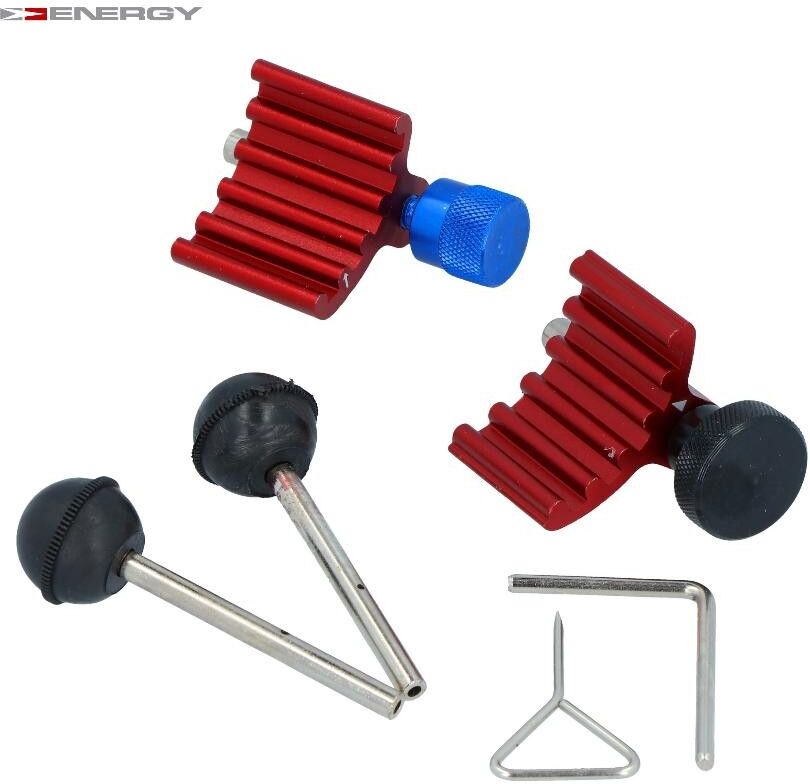
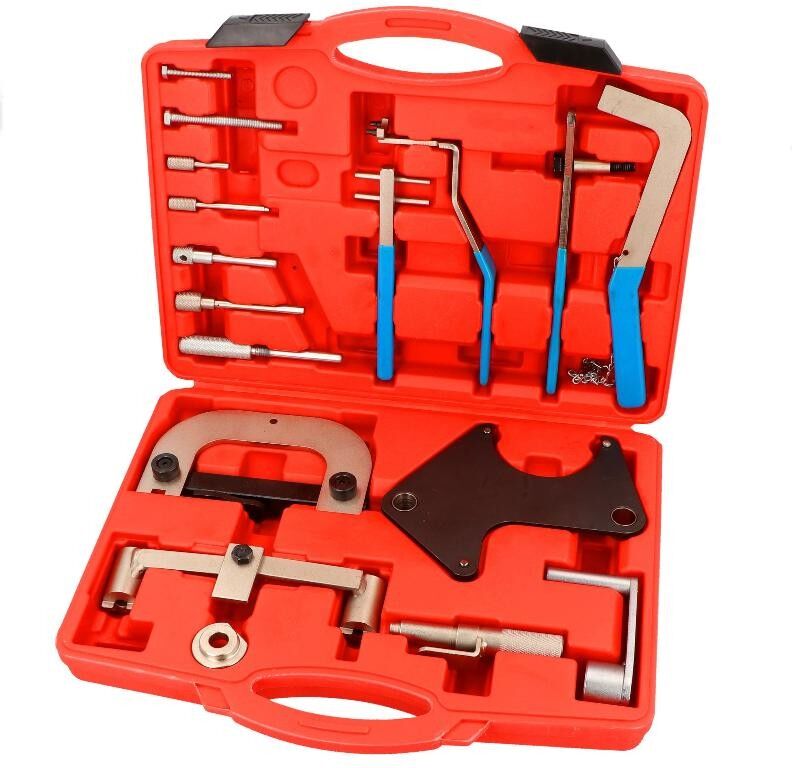
Similar search terms for ENERGY-NE00076-Retaining-Tool
Top-Angebote
Products related to ENERGY-NE00076-Retaining-Tool:



-
How energy efficient are heat pumps?
Heat pumps are known for their high energy efficiency, as they can provide up to three times more heating or cooling energy than the electrical energy they consume. This is because they transfer heat from the air, ground, or water, rather than generating heat through combustion like traditional heating systems. By using renewable energy sources for heat transfer, heat pumps can significantly reduce energy consumption and lower utility bills. Additionally, advancements in technology have made heat pumps even more efficient in recent years, making them a popular choice for environmentally conscious homeowners. **
-
What seals the demonic or spiritual energy?
The sealing of demonic or spiritual energy can be achieved through various means, such as rituals, incantations, or the use of specific objects or symbols. These methods are often used to contain or banish negative energies or entities, preventing them from causing harm or influencing the physical world. Additionally, the power of positive energy, prayer, and spiritual protection can also be used to seal and protect against demonic or negative forces. Ultimately, the sealing of demonic or spiritual energy relies on the belief in the power of these practices and the intention behind them. **
-
How can a retaining wall be renovated?
A retaining wall can be renovated by first assessing the extent of the damage and identifying the cause of the deterioration. Once the underlying issues are addressed, the wall can be repaired by replacing damaged or deteriorated materials, reinforcing the structure with additional support, and improving drainage to prevent future damage. It is important to consult with a professional engineer or contractor to ensure that the renovation is done properly and meets safety standards. **
-
How much does a retaining wall cost?
The cost of a retaining wall can vary depending on factors such as the materials used, the size of the wall, and the complexity of the design. On average, homeowners can expect to pay between $3,000 to $10,000 for a retaining wall. However, for larger or more intricate walls, the cost can exceed $15,000. It is recommended to get quotes from multiple contractors to get a better idea of the specific cost for your project. **


Who bears the costs for a retaining wall?
The costs for a retaining wall are typically borne by the property owner. This includes the design, materials, labor, and any necessary permits. In some cases, neighboring property owners may share the costs if the retaining wall benefits both properties. It is important to consult with a professional to determine the best course of action and cost-sharing arrangements for a retaining wall project. **
Are heat pumps and geothermal energy also heavily affected by the energy crisis?
Yes, heat pumps and geothermal energy are also affected by the energy crisis. Heat pumps rely on electricity to operate, so any shortage or increase in the cost of electricity will impact their efficiency and affordability. Geothermal energy, on the other hand, is a renewable energy source that is not directly affected by the energy crisis, but its widespread adoption and investment may be hindered by the overall energy market instability. Both technologies are important for reducing reliance on fossil fuels and mitigating the impacts of the energy crisis. **
Top-Angebote
Products related to ENERGY-NE00076-Retaining-Tool:
-
What are heat-retaining materials?
Heat-retaining materials are substances that have the ability to trap and hold heat for an extended period of time. These materials are often used in insulation to prevent heat loss in buildings or to keep objects warm. Common examples of heat-retaining materials include wool, fiberglass, and certain types of foam. By using these materials, energy consumption for heating can be reduced, making them environmentally friendly options. **
-
How energy-efficient are heat pumps?
Heat pumps are considered to be highly energy-efficient because they transfer heat from one location to another instead of generating heat. This process requires much less energy compared to traditional heating systems that rely on burning fossil fuels. In fact, heat pumps can be up to 300% more energy-efficient than other heating systems, making them a cost-effective and environmentally friendly option for heating and cooling homes. Additionally, advancements in technology have made heat pumps even more efficient in recent years, further reducing energy consumption and operating costs. **
-
How energy efficient are heat pumps?
Heat pumps are known for their high energy efficiency, as they can provide up to three times more heating or cooling energy than the electrical energy they consume. This is because they transfer heat from the air, ground, or water, rather than generating heat through combustion like traditional heating systems. By using renewable energy sources for heat transfer, heat pumps can significantly reduce energy consumption and lower utility bills. Additionally, advancements in technology have made heat pumps even more efficient in recent years, making them a popular choice for environmentally conscious homeowners. **
-
What seals the demonic or spiritual energy?
The sealing of demonic or spiritual energy can be achieved through various means, such as rituals, incantations, or the use of specific objects or symbols. These methods are often used to contain or banish negative energies or entities, preventing them from causing harm or influencing the physical world. Additionally, the power of positive energy, prayer, and spiritual protection can also be used to seal and protect against demonic or negative forces. Ultimately, the sealing of demonic or spiritual energy relies on the belief in the power of these practices and the intention behind them. **
Similar search terms for ENERGY-NE00076-Retaining-Tool
-
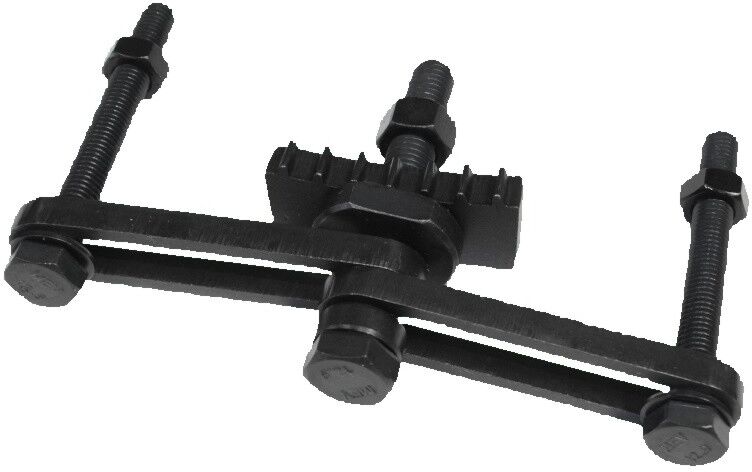
FORCE 902G17 Retaining Tool, camshaftNumber of tools: 2; Vehicle type: VAG ; for petrol engines to capacity [ccm]: 4.2; Version: V8, Audi B6 S4, Audi B7 S4, Audi A6, Audi A8, Volkswagen Phaeton; Engine Code: BAS, BAT, BBD, BBK, BHF, BNK, BFM, BGK; for OE number: OEM T4004633,49 £*Shipping: 8,45 £Secure redirect to the provider
-
How can a retaining wall be renovated?
A retaining wall can be renovated by first assessing the extent of the damage and identifying the cause of the deterioration. Once the underlying issues are addressed, the wall can be repaired by replacing damaged or deteriorated materials, reinforcing the structure with additional support, and improving drainage to prevent future damage. It is important to consult with a professional engineer or contractor to ensure that the renovation is done properly and meets safety standards. **
-
How much does a retaining wall cost?
The cost of a retaining wall can vary depending on factors such as the materials used, the size of the wall, and the complexity of the design. On average, homeowners can expect to pay between $3,000 to $10,000 for a retaining wall. However, for larger or more intricate walls, the cost can exceed $15,000. It is recommended to get quotes from multiple contractors to get a better idea of the specific cost for your project. **
-
Who bears the costs for a retaining wall?
The costs for a retaining wall are typically borne by the property owner. This includes the design, materials, labor, and any necessary permits. In some cases, neighboring property owners may share the costs if the retaining wall benefits both properties. It is important to consult with a professional to determine the best course of action and cost-sharing arrangements for a retaining wall project. **
-
Are heat pumps and geothermal energy also heavily affected by the energy crisis?
Yes, heat pumps and geothermal energy are also affected by the energy crisis. Heat pumps rely on electricity to operate, so any shortage or increase in the cost of electricity will impact their efficiency and affordability. Geothermal energy, on the other hand, is a renewable energy source that is not directly affected by the energy crisis, but its widespread adoption and investment may be hindered by the overall energy market instability. Both technologies are important for reducing reliance on fossil fuels and mitigating the impacts of the energy crisis. **
* All prices are inclusive of VAT and, if applicable, plus shipping costs. The offer information is based on the details provided by the respective shop and is updated through automated processes. Real-time updates do not occur, so deviations can occur in individual cases. ** Note: Parts of this content were created by AI.