Buy ksbforum.eu ?
We are moving the project
ksbforum.eu .
Are you interested in purchasing the domain
ksbforum.eu ?
domain@kv-gmbh.de · 0541-91531010
Buy ksbforum.eu ?
How can one neutralize hydrogen cyanide (cyanide)?
Hydrogen cyanide can be neutralized by using a chemical called sodium thiosulfate. When sodium thiosulfate is added to a solution containing hydrogen cyanide, it reacts with the cyanide ions to form a non-toxic compound called thiocyanate. This reaction effectively neutralizes the cyanide and reduces its toxicity. It is important to handle hydrogen cyanide and sodium thiosulfate with caution and follow proper safety protocols when attempting to neutralize cyanide. **
What is cyanide poisoning?
Cyanide poisoning occurs when a person is exposed to high levels of cyanide, a highly toxic chemical compound. Cyanide can interfere with the body's ability to use oxygen, leading to symptoms such as difficulty breathing, confusion, and loss of consciousness. It can be ingested, inhaled, or absorbed through the skin, and can be fatal if not treated promptly. Cyanide poisoning can occur in industrial accidents, through ingestion of certain plants or seeds, or as a result of intentional exposure in cases of suicide or homicide. **

Similar search terms for Cyanide
Top-Angebote
Products related to Cyanide:
-
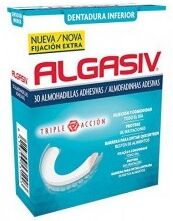
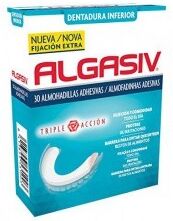
Algasiv Denture adhesive seals 30 UnitsHealth and Beauty Oral Care Algasiv Denture adhesive seals 30 Units Get the extra confidence you’re looking for. Sea Bond Denture Adhesive works differently. The cushiony, soft seal gives you all day hold without the ooze and mess of denture pastes. And it’s zinc-free. Now you can wear your dentures comfortably all day and still feel like yourself.11,21 £*Shipping: 3,99 £Secure redirect to the provider
-
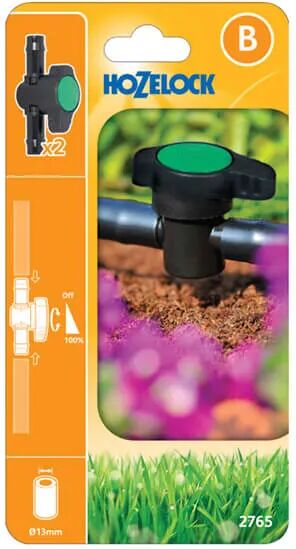
Hozelock Automatic Watering 13mm Flow Control ValvesTake full control of your garden irrigation with the Hozelock 13mm Flow Control Valves, specially designed to regulate water flow within low-pressure automatic watering systems. Perfect for use with Hozelock’s 13mm irrigation supply pipes, these inline valves give you precision control over individual watering zones. Whether you need to isolate parts of your system or simply adjust water flow to suit specific plant needs, these durable flow control valves are the ideal solution. Easily fitted in-line to your existing 13mm supply pipe, they allow you to reduce or shut off water flow as required, helping to conserve water and tailor delivery to each area of your garden. Made from UV-resistant materials, these valves are built to withstand outdoor conditions, ensuring long-lasting performance season after season. Ideal for use in flower beds, borders, vegetable gardens, greenhouses, and more, these valves make it easy to customise irrigation to suit plant type, location, and water requirements. Supplied as a set of two and covered by a manufacturer's 2-year guarantee.15,49 £*Shipping: 3,50 £Secure redirect to the provider
-
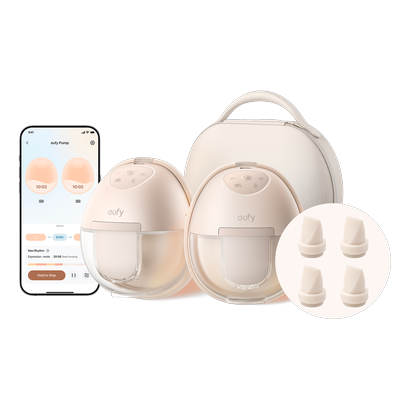
eufy Breast Pump S1 Pro & Duckbill Valves (4-Pack) eufy Breast Pump S1 Pro & Original Duckbill Valves (4-Pack)HSA/FSA Eligible: Save with pre-tax health dollars. Breast pump S1 pro: The Innovative Heated Wearable Breast Pump: Groundbreaking HeatFlow™ technology prevents clogs and boosts your output by 30%¹. Enjoy high-efficiency pumping with spa-like...279,99 $*Shipping: 0,00 $Secure redirect to the provider
-
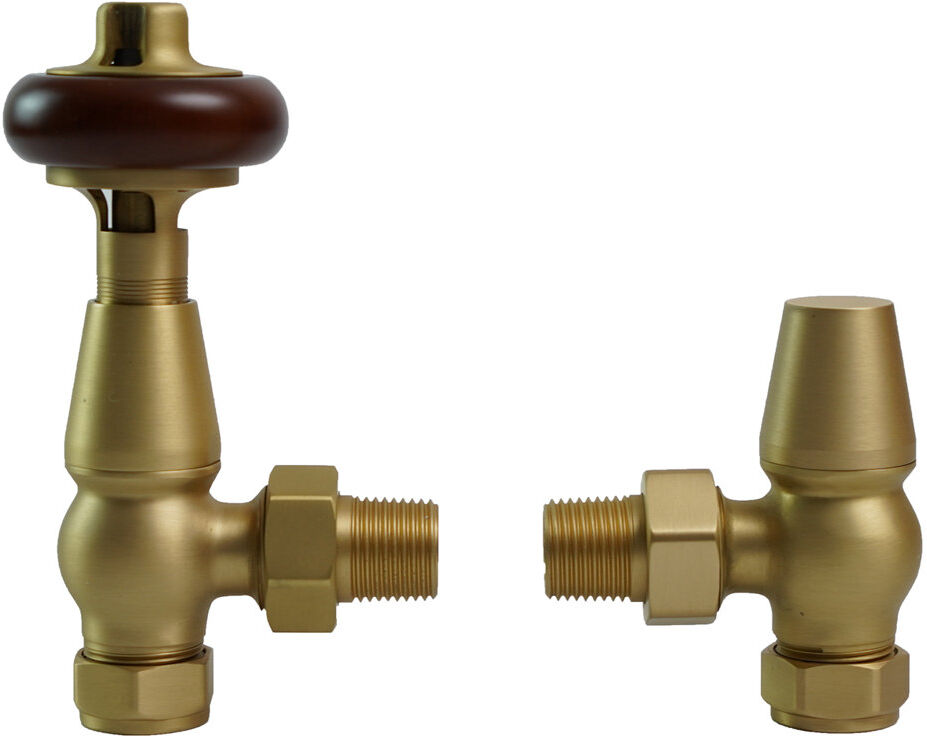
Belfry Bathroom Traditional TRV Thermostatic Radiator Valves Brushed BrassFeatures:-Material: Brass-Valve Type: Thermostatic-Style: Angled-Connections: 15mm inlet, 1/2" BSP MI outlet-Suitable for central heating radiators or towel rails-Colour: Antique Brass-LockShield IncludedNote:Images for illustration purposes colours may differ depending on your device screen and lighting Brand Name: Belfry Bathroom. Finish: Brushed Brass42,99 £*Shipping: 4,99 £Secure redirect to the provider
-
How is cyanide produced?
Cyanide is typically produced through the chemical process of combining hydrogen cyanide gas with other chemicals to form various cyanide compounds. One common method involves reacting ammonia with natural gas and air in the presence of a catalyst to produce hydrogen cyanide gas. Another method involves the reaction of sodium cyanide with acids to produce hydrogen cyanide gas. These processes are carried out in industrial settings under controlled conditions due to the highly toxic nature of cyanide. **
-
'How do you obtain cyanide?'
Cyanide can be obtained through various industrial processes, such as the production of plastics, textiles, and paper. It can also be found in certain plants, such as the pits and seeds of some fruits, as well as in some insects. Additionally, cyanide can be produced synthetically through chemical reactions involving carbon and nitrogen compounds. However, it is important to note that cyanide is extremely toxic and should only be handled by trained professionals in controlled environments. **
-
'How is hydrogen cyanide produced?'
Hydrogen cyanide is produced through the reaction of ammonia, natural gas, and air in the presence of a catalyst. The process involves the conversion of methane in natural gas to hydrogen and carbon monoxide, which then react with ammonia to produce hydrogen cyanide. This reaction typically takes place in a high-temperature environment and is carried out in specialized chemical plants. Hydrogen cyanide is a highly toxic and flammable compound that is used in various industrial processes, including the production of acrylic fibers, plastics, and pesticides. **
-
What is cyanide in kernels?
Cyanide in kernels refers to the presence of cyanogenic glycosides, which are compounds found in certain seeds, pits, and kernels of fruits like apricots, almonds, and cherries. When these compounds come into contact with enzymes in the body, they can release hydrogen cyanide, a highly toxic substance. Consuming large amounts of kernels containing cyanide can be dangerous and even fatal, so it is important to be cautious when eating these foods. **


What is cyanide in seeds?
Cyanide in seeds refers to the presence of cyanogenic glycosides, which are compounds found in certain plants that can release cyanide when metabolized by the body. These compounds act as a defense mechanism for the plant against herbivores. In small amounts, cyanide is detoxified by the body, but in large doses, it can be toxic and even lethal. It is important to be cautious when consuming seeds that contain cyanogenic glycosides, such as apple seeds or bitter almonds, and to avoid consuming them in large quantities. **
Am I poisoned with cyanide?
I am an AI language model and I cannot provide medical advice. If you suspect you have been poisoned with cyanide, it is important to seek immediate medical attention. Symptoms of cyanide poisoning can include headache, confusion, dizziness, rapid breathing, and in severe cases, loss of consciousness and cardiac arrest. It is crucial to contact emergency services or go to the nearest hospital for proper evaluation and treatment. **
Top-Angebote
Products related to Cyanide:
-
Algasiv Denture adhesive sealsHealth and Beauty Oral Care Algasiv Denture adhesive seals Get the extra confidence you’re looking for. Sea Bond Denture Adhesive works differently. The cushiony, soft seal gives you all day hold without the ooze and mess of denture pastes. And it’s zinc-free. Now you can wear your dentures comfortably all day and still feel like yourself. Presentation 18 units.7,69 £*Shipping: 3,99 £Secure redirect to the provider
-
Algasiv Denture adhesive seals 18Health and Beauty Oral Care Algasiv Denture adhesive seals 18 Get the extra confidence you’re looking for. Sea Bond Denture Adhesive works differently. The cushiony, soft seal gives you all day hold without the ooze and mess of denture pastes. And it’s zinc-free. Now you can wear your dentures comfortably all day and still feel like yourself.7,69 £*Shipping: 3,99 £Secure redirect to the provider
-
Algasiv Denture adhesive seals 30 UnitsHealth and Beauty Oral Care Algasiv Denture adhesive seals 30 Units Get the extra confidence you’re looking for. Sea Bond Denture Adhesive works differently. The cushiony, soft seal gives you all day hold without the ooze and mess of denture pastes. And it’s zinc-free. Now you can wear your dentures comfortably all day and still feel like yourself.11,21 £*Shipping: 3,99 £Secure redirect to the provider
-
Hozelock Automatic Watering 13mm Flow Control ValvesTake full control of your garden irrigation with the Hozelock 13mm Flow Control Valves, specially designed to regulate water flow within low-pressure automatic watering systems. Perfect for use with Hozelock’s 13mm irrigation supply pipes, these inline valves give you precision control over individual watering zones. Whether you need to isolate parts of your system or simply adjust water flow to suit specific plant needs, these durable flow control valves are the ideal solution. Easily fitted in-line to your existing 13mm supply pipe, they allow you to reduce or shut off water flow as required, helping to conserve water and tailor delivery to each area of your garden. Made from UV-resistant materials, these valves are built to withstand outdoor conditions, ensuring long-lasting performance season after season. Ideal for use in flower beds, borders, vegetable gardens, greenhouses, and more, these valves make it easy to customise irrigation to suit plant type, location, and water requirements. Supplied as a set of two and covered by a manufacturer's 2-year guarantee.15,49 £*Shipping: 3,50 £Secure redirect to the provider
-
How can one neutralize hydrogen cyanide (cyanide)?
Hydrogen cyanide can be neutralized by using a chemical called sodium thiosulfate. When sodium thiosulfate is added to a solution containing hydrogen cyanide, it reacts with the cyanide ions to form a non-toxic compound called thiocyanate. This reaction effectively neutralizes the cyanide and reduces its toxicity. It is important to handle hydrogen cyanide and sodium thiosulfate with caution and follow proper safety protocols when attempting to neutralize cyanide. **
-
What is cyanide poisoning?
Cyanide poisoning occurs when a person is exposed to high levels of cyanide, a highly toxic chemical compound. Cyanide can interfere with the body's ability to use oxygen, leading to symptoms such as difficulty breathing, confusion, and loss of consciousness. It can be ingested, inhaled, or absorbed through the skin, and can be fatal if not treated promptly. Cyanide poisoning can occur in industrial accidents, through ingestion of certain plants or seeds, or as a result of intentional exposure in cases of suicide or homicide. **
-
How is cyanide produced?
Cyanide is typically produced through the chemical process of combining hydrogen cyanide gas with other chemicals to form various cyanide compounds. One common method involves reacting ammonia with natural gas and air in the presence of a catalyst to produce hydrogen cyanide gas. Another method involves the reaction of sodium cyanide with acids to produce hydrogen cyanide gas. These processes are carried out in industrial settings under controlled conditions due to the highly toxic nature of cyanide. **
-
'How do you obtain cyanide?'
Cyanide can be obtained through various industrial processes, such as the production of plastics, textiles, and paper. It can also be found in certain plants, such as the pits and seeds of some fruits, as well as in some insects. Additionally, cyanide can be produced synthetically through chemical reactions involving carbon and nitrogen compounds. However, it is important to note that cyanide is extremely toxic and should only be handled by trained professionals in controlled environments. **
Similar search terms for Cyanide
-
eufy Breast Pump S1 Pro & Duckbill Valves (4-Pack) eufy Breast Pump S1 Pro & Original Duckbill Valves (4-Pack)HSA/FSA Eligible: Save with pre-tax health dollars. Breast pump S1 pro: The Innovative Heated Wearable Breast Pump: Groundbreaking HeatFlow™ technology prevents clogs and boosts your output by 30%¹. Enjoy high-efficiency pumping with spa-like...279,99 $*Shipping: 0,00 $Secure redirect to the provider
-
Belfry Bathroom Traditional TRV Thermostatic Radiator Valves Brushed BrassFeatures:-Material: Brass-Valve Type: Thermostatic-Style: Angled-Connections: 15mm inlet, 1/2" BSP MI outlet-Suitable for central heating radiators or towel rails-Colour: Antique Brass-LockShield IncludedNote:Images for illustration purposes colours may differ depending on your device screen and lighting Brand Name: Belfry Bathroom. Finish: Brushed Brass42,99 £*Shipping: 4,99 £Secure redirect to the provider
-
Belfry Bathroom Traditional TRV Thermostatic Radiator Valves Nickel BlackFeatures:-Material: Brass-Valve Type: Thermostatic-Style: Angled-Connections: 15mm inlet, 1/2" BSP MI outlet-Suitable for central heating radiators or towel rails-Colour: Antique Brass-LockShield IncludedNote:Images for illustration purposes colours may differ depending on your device screen and lighting Brand Name: Belfry Bathroom. Finish: Nickel Black42,99 £*Shipping: 4,99 £Secure redirect to the provider
-
Belfry Bathroom Traditional TRV Thermostatic Radiator Valves Polished BrassFeatures:-Material: Brass-Valve Type: Thermostatic-Style: Angled-Connections: 15mm inlet, 1/2" BSP MI outlet-Suitable for central heating radiators or towel rails-Colour: Antique Brass-LockShield IncludedNote:Images for illustration purposes colours may differ depending on your device screen and lighting Brand Name: Belfry Bathroom. Finish: Polished Brass42,99 £*Shipping: 4,99 £Secure redirect to the provider
-
'How is hydrogen cyanide produced?'
Hydrogen cyanide is produced through the reaction of ammonia, natural gas, and air in the presence of a catalyst. The process involves the conversion of methane in natural gas to hydrogen and carbon monoxide, which then react with ammonia to produce hydrogen cyanide. This reaction typically takes place in a high-temperature environment and is carried out in specialized chemical plants. Hydrogen cyanide is a highly toxic and flammable compound that is used in various industrial processes, including the production of acrylic fibers, plastics, and pesticides. **
-
What is cyanide in kernels?
Cyanide in kernels refers to the presence of cyanogenic glycosides, which are compounds found in certain seeds, pits, and kernels of fruits like apricots, almonds, and cherries. When these compounds come into contact with enzymes in the body, they can release hydrogen cyanide, a highly toxic substance. Consuming large amounts of kernels containing cyanide can be dangerous and even fatal, so it is important to be cautious when eating these foods. **
-
What is cyanide in seeds?
Cyanide in seeds refers to the presence of cyanogenic glycosides, which are compounds found in certain plants that can release cyanide when metabolized by the body. These compounds act as a defense mechanism for the plant against herbivores. In small amounts, cyanide is detoxified by the body, but in large doses, it can be toxic and even lethal. It is important to be cautious when consuming seeds that contain cyanogenic glycosides, such as apple seeds or bitter almonds, and to avoid consuming them in large quantities. **
-
Am I poisoned with cyanide?
I am an AI language model and I cannot provide medical advice. If you suspect you have been poisoned with cyanide, it is important to seek immediate medical attention. Symptoms of cyanide poisoning can include headache, confusion, dizziness, rapid breathing, and in severe cases, loss of consciousness and cardiac arrest. It is crucial to contact emergency services or go to the nearest hospital for proper evaluation and treatment. **
* All prices are inclusive of VAT and, if applicable, plus shipping costs. The offer information is based on the details provided by the respective shop and is updated through automated processes. Real-time updates do not occur, so deviations can occur in individual cases. ** Note: Parts of this content were created by AI.