Buy ksbforum.eu ?
We are moving the project
ksbforum.eu .
Are you interested in purchasing the domain
ksbforum.eu ?
domain@kv-gmbh.de · 0541-91531010
Buy ksbforum.eu ?
What are radiator valves?
Radiator valves are devices used to control the flow of hot water into a radiator, allowing for the regulation of the temperature in a room. There are two main types of radiator valves: thermostatic radiator valves (TRVs) and manual radiator valves. TRVs automatically adjust the flow of hot water based on the room temperature, while manual radiator valves require manual adjustment. Radiator valves are an important component of a heating system, allowing for individual control of the temperature in different rooms. **
What controls the radiator valve?
The radiator valve is typically controlled manually by the user. It is usually a knob or lever that can be turned to adjust the flow of hot water into the radiator, thereby controlling the temperature in the room. Some modern radiator valves may also be equipped with thermostatic controls that automatically adjust the flow of hot water based on the desired temperature set by the user. **

Similar search terms for CLIMTEX-CH1-770-Engine-radiator
Top-Angebote
Products related to CLIMTEX-CH1-770-Engine-radiator:
-
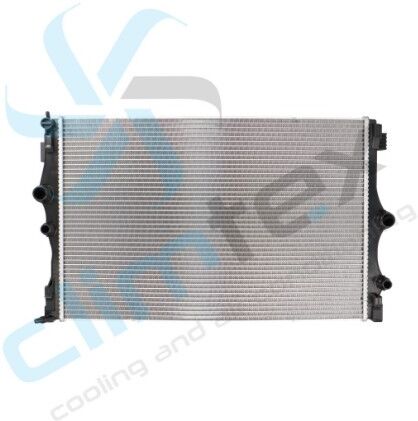
CLIMTEX CH1-2273 Engine radiatorWater Tank Material (radiator): Plastic; Cooling Fin Material: Aluminium; Core Length [mm]: 381; Core Width [mm]: 416; Inlet Diameter [mm]: 28,5; Outlet Diameter [mm]: 28,5; TecDoc Engine Number: 51242; Engine Code: EB2LTDH243,49 £*Shipping: 8,45 £Secure redirect to the provider
-
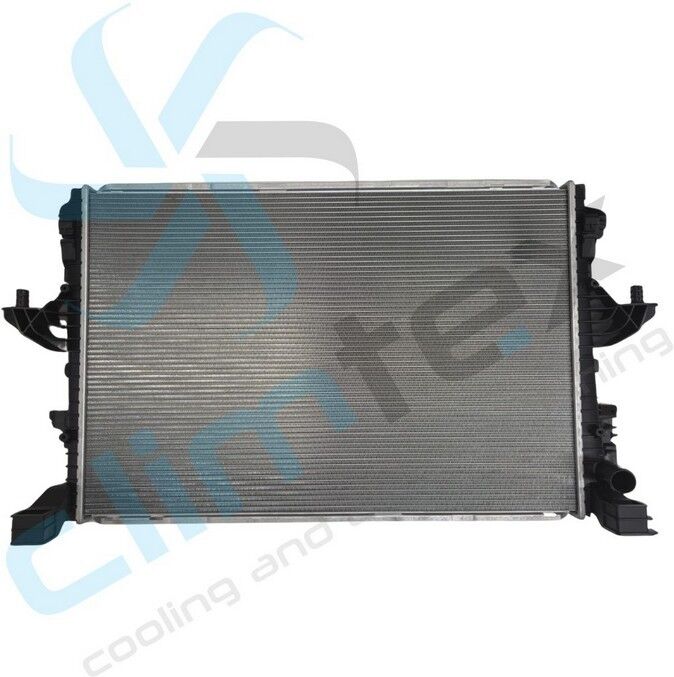
CLIMTEX CH1-2282 Engine radiatorInlet Diameter [mm]: 32; Core Length [mm]: 711; Cooling Fin Material: Aluminium; Water Tank Material (radiator): Plastic; Outlet Diameter [mm]: 32; Vehicle Equipment: for vehicles with/without air conditioning; Transmission Type: Manual-/optional automatic transmission; Vehicle type: Caravelle, California, Transporter112,99 £*Shipping: 8,45 £Secure redirect to the provider
-
CLIMTEX CH1-2284 Engine radiatorCore Depth [mm]: 26; Core Length [mm]: 650; Core Width [mm]: 439; Supplementary Article / Supplementary Info: without gasket/seal; Inlet Diameter [mm]: 32,5; Outlet Diameter [mm]: 32,5; Radiator type: Mechanically jointed cooling fins111,99 £*Shipping: 8,45 £Secure redirect to the provider
-
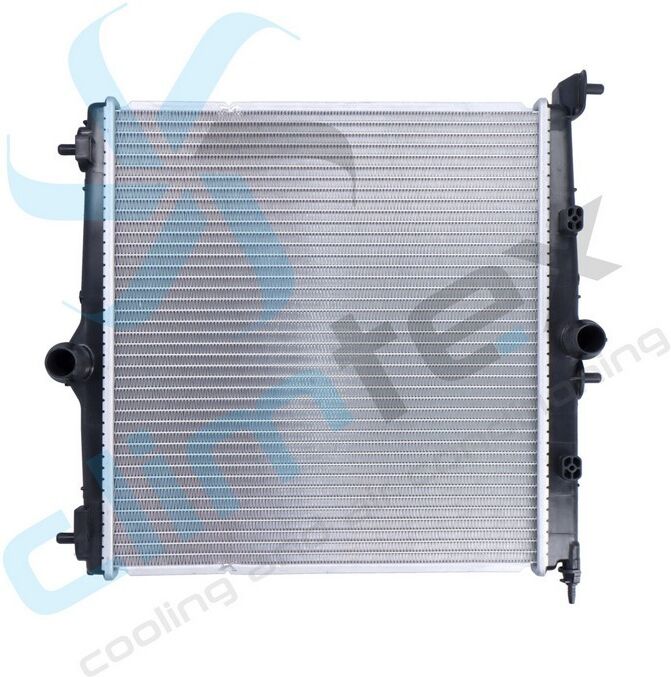
CLIMTEX CH1-864 Engine radiatorCore Length [mm]: 380; Core Width [mm]: 544; Core Depth [mm]: 25; Cooling Fin Material: Aluminium; Water Tank Material (radiator): Plastic; Radiator type: Mechanically jointed cooling fins; Transmission Type: Manual-/optional automatic transmission, 4-Speed Automatic Transmission, 5-Speed Manual Transmission; Construction Year from: 05/2005; TecDoc Engine Number: 45129, 30658, 31969, 25101, 24936, 24933, 25092, 25093, 28249, 25097, 32315; Engine Code: DV4C, EP6/EP6C, EB2F; Vehicle Equipment: for vehicles with air conditioning, for vehicles with/without air conditioning; for model code: Crossland X, Crossland, DS3 Crossback; Vehicle Production Country: Slovakia47,49 £*Shipping: 8,45 £Secure redirect to the provider

-
How do you vent radiator without valves?
To vent a radiator without valves, you can use a radiator key to open the bleed valve located at the top of the radiator. Place a cloth or container underneath the valve to catch any water that may come out. Turn the key counterclockwise to open the valve and release any trapped air. Once water starts to come out, close the valve by turning the key clockwise. Be sure to check the pressure in the system and refill it if necessary. **
-
Does the engine get damaged if you open the radiator cap?
Yes, opening the radiator cap while the engine is hot can be dangerous as it can release hot steam and coolant under pressure, potentially causing burns. Additionally, removing the radiator cap can disrupt the cooling system's pressure balance and lead to coolant leakage. It is recommended to wait until the engine has cooled down before opening the radiator cap to avoid any potential damage or injury. **
-
How does a diesel engine recognize valves?
A diesel engine recognizes valves through the use of a camshaft, which is responsible for opening and closing the valves at the correct times. The camshaft is connected to the crankshaft and is synchronized to the engine's rotation, allowing it to control the timing of the valves. As the camshaft rotates, it pushes against the valves, causing them to open and close in coordination with the engine's combustion cycle. This precise timing is crucial for the efficient operation of the diesel engine. **
-
Why doesn't a moped engine have valves?
A moped engine typically does not have valves because it uses a simpler design called a two-stroke engine. In a two-stroke engine, the intake and exhaust processes are controlled by ports in the cylinder wall, eliminating the need for valves. This design allows for a lighter and more compact engine, making it well-suited for the small size and low power requirements of a moped. Additionally, the absence of valves reduces the complexity and cost of the engine, making it more affordable for moped manufacturers and users. **
How do you make the valves on the radiator work again?
To make the valves on the radiator work again, you can start by checking if they are stuck or blocked. If they are stuck, you can try gently tapping them with a hammer to loosen them. If they are blocked, you can use a wrench to carefully remove the valve and clean out any debris or buildup. Once the valves are unstuck and clean, you can then turn them to open or close to regulate the flow of hot water into the radiator. If the valves are still not working properly, it may be best to consult a professional plumber for further assistance. **
How many valves does a V-engine have?
A V-engine typically has two valves per cylinder, one for intake and one for exhaust. This means that a V6 engine, which has six cylinders, would have a total of 12 valves (6 intake valves and 6 exhaust valves). Similarly, a V8 engine with eight cylinders would have a total of 16 valves (8 intake valves and 8 exhaust valves). The number of valves in a V-engine is determined by the number of cylinders it has. **
Top-Angebote
Products related to CLIMTEX-CH1-770-Engine-radiator:
-
CLIMTEX CH1-770 Engine radiatorCore Length [mm]: 580; Core Width [mm]: 400; Core Depth [mm]: 26; Cooling Fin Material: Aluminium; Water Tank Material (radiator): Plastic; Vehicle Equipment: for vehicles with air conditioning; Transmission Type: Manual Transmission70,49 £*Shipping: 8,45 £Secure redirect to the provider
-
CLIMTEX CH1-2268 Engine radiatorCooling Fin Material: Aluminium; Radiator type: Brazed cooling fins; Supplementary Article / Supplementary Info Info 2: without expansion tank, without cap; Water Tank Material (radiator): Plastic; Transmission Type: 7-Speed Automatic Transmission, 8-Speed Automatic Transmission; for model code: CLA250116,99 £*Shipping: 8,45 £Secure redirect to the provider
-
CLIMTEX CH1-2273 Engine radiatorWater Tank Material (radiator): Plastic; Cooling Fin Material: Aluminium; Core Length [mm]: 381; Core Width [mm]: 416; Inlet Diameter [mm]: 28,5; Outlet Diameter [mm]: 28,5; TecDoc Engine Number: 51242; Engine Code: EB2LTDH243,49 £*Shipping: 8,45 £Secure redirect to the provider
-
CLIMTEX CH1-2282 Engine radiatorInlet Diameter [mm]: 32; Core Length [mm]: 711; Cooling Fin Material: Aluminium; Water Tank Material (radiator): Plastic; Outlet Diameter [mm]: 32; Vehicle Equipment: for vehicles with/without air conditioning; Transmission Type: Manual-/optional automatic transmission; Vehicle type: Caravelle, California, Transporter112,99 £*Shipping: 8,45 £Secure redirect to the provider
-
What are radiator valves?
Radiator valves are devices used to control the flow of hot water into a radiator, allowing for the regulation of the temperature in a room. There are two main types of radiator valves: thermostatic radiator valves (TRVs) and manual radiator valves. TRVs automatically adjust the flow of hot water based on the room temperature, while manual radiator valves require manual adjustment. Radiator valves are an important component of a heating system, allowing for individual control of the temperature in different rooms. **
-
What controls the radiator valve?
The radiator valve is typically controlled manually by the user. It is usually a knob or lever that can be turned to adjust the flow of hot water into the radiator, thereby controlling the temperature in the room. Some modern radiator valves may also be equipped with thermostatic controls that automatically adjust the flow of hot water based on the desired temperature set by the user. **
-
How do you vent radiator without valves?
To vent a radiator without valves, you can use a radiator key to open the bleed valve located at the top of the radiator. Place a cloth or container underneath the valve to catch any water that may come out. Turn the key counterclockwise to open the valve and release any trapped air. Once water starts to come out, close the valve by turning the key clockwise. Be sure to check the pressure in the system and refill it if necessary. **
-
Does the engine get damaged if you open the radiator cap?
Yes, opening the radiator cap while the engine is hot can be dangerous as it can release hot steam and coolant under pressure, potentially causing burns. Additionally, removing the radiator cap can disrupt the cooling system's pressure balance and lead to coolant leakage. It is recommended to wait until the engine has cooled down before opening the radiator cap to avoid any potential damage or injury. **
Similar search terms for CLIMTEX-CH1-770-Engine-radiator
-
CLIMTEX CH1-2284 Engine radiatorCore Depth [mm]: 26; Core Length [mm]: 650; Core Width [mm]: 439; Supplementary Article / Supplementary Info: without gasket/seal; Inlet Diameter [mm]: 32,5; Outlet Diameter [mm]: 32,5; Radiator type: Mechanically jointed cooling fins111,99 £*Shipping: 8,45 £Secure redirect to the provider
-
CLIMTEX CH1-864 Engine radiatorCore Length [mm]: 380; Core Width [mm]: 544; Core Depth [mm]: 25; Cooling Fin Material: Aluminium; Water Tank Material (radiator): Plastic; Radiator type: Mechanically jointed cooling fins; Transmission Type: Manual-/optional automatic transmission, 4-Speed Automatic Transmission, 5-Speed Manual Transmission; Construction Year from: 05/2005; TecDoc Engine Number: 45129, 30658, 31969, 25101, 24936, 24933, 25092, 25093, 28249, 25097, 32315; Engine Code: DV4C, EP6/EP6C, EB2F; Vehicle Equipment: for vehicles with air conditioning, for vehicles with/without air conditioning; for model code: Crossland X, Crossland, DS3 Crossback; Vehicle Production Country: Slovakia47,49 £*Shipping: 8,45 £Secure redirect to the provider
-
CLIMTEX CH1-858 Engine radiatorCore Length [mm]: 600; Core Width [mm]: 399; Core Depth [mm]: 26; Cooling Fin Material: Aluminium; Water Tank Material (radiator): Plastic; Radiator type: Brazed cooling fins; Transmission Type: Manual Transmission; Vehicle type: Zafira Van; Vehicle Equipment: for vehicles with/without air conditioning; Construction Year to: 12/2006, 10/200566,49 £*Shipping: 8,45 £Secure redirect to the provider
-
CLIMTEX CH1-216 Engine radiatorCore Length [mm]: 630; Core Width [mm]: 416; Core Depth [mm]: 34; Cooling Fin Material: Aluminium; Water Tank Material (radiator): Plastic; Radiator type: Brazed cooling fins; Vehicle Equipment: for vehicles with air conditioning; Transmission Type: Automatic Transmission; TecDoc Engine Number: 18008, 1896869,99 £*Shipping: 8,45 £Secure redirect to the provider
-
How does a diesel engine recognize valves?
A diesel engine recognizes valves through the use of a camshaft, which is responsible for opening and closing the valves at the correct times. The camshaft is connected to the crankshaft and is synchronized to the engine's rotation, allowing it to control the timing of the valves. As the camshaft rotates, it pushes against the valves, causing them to open and close in coordination with the engine's combustion cycle. This precise timing is crucial for the efficient operation of the diesel engine. **
-
Why doesn't a moped engine have valves?
A moped engine typically does not have valves because it uses a simpler design called a two-stroke engine. In a two-stroke engine, the intake and exhaust processes are controlled by ports in the cylinder wall, eliminating the need for valves. This design allows for a lighter and more compact engine, making it well-suited for the small size and low power requirements of a moped. Additionally, the absence of valves reduces the complexity and cost of the engine, making it more affordable for moped manufacturers and users. **
-
How do you make the valves on the radiator work again?
To make the valves on the radiator work again, you can start by checking if they are stuck or blocked. If they are stuck, you can try gently tapping them with a hammer to loosen them. If they are blocked, you can use a wrench to carefully remove the valve and clean out any debris or buildup. Once the valves are unstuck and clean, you can then turn them to open or close to regulate the flow of hot water into the radiator. If the valves are still not working properly, it may be best to consult a professional plumber for further assistance. **
-
How many valves does a V-engine have?
A V-engine typically has two valves per cylinder, one for intake and one for exhaust. This means that a V6 engine, which has six cylinders, would have a total of 12 valves (6 intake valves and 6 exhaust valves). Similarly, a V8 engine with eight cylinders would have a total of 16 valves (8 intake valves and 8 exhaust valves). The number of valves in a V-engine is determined by the number of cylinders it has. **
* All prices are inclusive of VAT and, if applicable, plus shipping costs. The offer information is based on the details provided by the respective shop and is updated through automated processes. Real-time updates do not occur, so deviations can occur in individual cases. ** Note: Parts of this content were created by AI.