Buy ksbforum.eu ?
We are moving the project
ksbforum.eu .
Are you interested in purchasing the domain
ksbforum.eu ?
domain@kv-gmbh.de · 0541-91531010
Buy ksbforum.eu ?
Is the profession of anesthesiologist interesting?
Yes, the profession of anesthesiologist is interesting as it involves a combination of medical knowledge, technical skills, and the ability to make quick decisions in high-pressure situations. Anesthesiologists play a crucial role in ensuring the safety and comfort of patients during surgical procedures, and they must stay up-to-date with the latest advancements in anesthesia techniques and medications. Additionally, anesthesiologists often work closely with other medical professionals, making the profession dynamic and collaborative. Overall, the field of anesthesiology offers a challenging and rewarding career for those interested in medicine and patient care. **
How do I become an anesthesiologist?
To become an anesthesiologist, you will need to complete a bachelor's degree, preferably in a science-related field, followed by medical school to earn a Doctor of Medicine (MD) or Doctor of Osteopathic Medicine (DO) degree. After medical school, you will need to complete a residency program in anesthesiology, which typically lasts four years. Finally, you will need to obtain a state medical license and pass the board certification exam in anesthesiology to practice as a licensed anesthesiologist. **


Similar search terms for Anesthesiologist
Top-Angebote
Products related to Anesthesiologist:
-
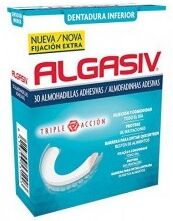
Algasiv Denture adhesive seals 18Health and Beauty Oral Care Algasiv Denture adhesive seals 18 Get the extra confidence you’re looking for. Sea Bond Denture Adhesive works differently. The cushiony, soft seal gives you all day hold without the ooze and mess of denture pastes. And it’s zinc-free. Now you can wear your dentures comfortably all day and still feel like yourself.7,62 £*Shipping: 3,99 £Secure redirect to the provider
-
Inspire Picks Rubber Shock Mount Bobbin Isolator Anti Vibration Mount For Water Pumps, Motors & Machinery eReduce vibration and noise with this rubber shock mounts bobbin isolator, designed to protect equipment from excessive movement and impact. Featuring durable rubber bonded to sturdy metal threads, this vibration mount helps absorb shocks while...34,93 $*Shipping: 0,00 $Secure redirect to the provider
-
Uplift Picks Rubber Anti Vibration Mount For Pumps Motors And Equipment aReduce shaking, noise, and movement in small machines with this rubber shock mount made for practical vibration control. It combines rubber and metal hardware to help absorb vibration between mounted parts, making it useful for water pumps, motors,...30,00 $*Shipping: 0,00 $Secure redirect to the provider
-
Uplift Picks Rubber Anti Vibration Mount For Pumps Motors And Equipment bReduce shaking, noise, and movement in small machines with this rubber shock mount made for practical vibration control. It combines rubber and metal hardware to help absorb vibration between mounted parts, making it useful for water pumps, motors,...30,00 $*Shipping: 0,00 $Secure redirect to the provider


-
What skills are required for an anesthesiologist?
Anesthesiologists need a strong foundation in medical knowledge, including pharmacology, physiology, and anatomy. They must have excellent critical thinking and problem-solving skills to make quick decisions in high-pressure situations. Communication skills are also crucial as they need to effectively communicate with patients, surgical teams, and other healthcare professionals. Attention to detail, manual dexterity, and the ability to stay calm under stress are also important skills for an anesthesiologist. **
-
How long does it take to become an anesthesiologist?
Becoming an anesthesiologist typically takes around 12 years of education and training after high school. This includes 4 years of undergraduate study, 4 years of medical school, and 4 years of residency training in anesthesiology. Some anesthesiologists may also choose to pursue additional fellowship training in a specialized area of anesthesiology, which can add 1-2 more years to the process. Overall, the path to becoming an anesthesiologist is a long and rigorous one, but it ultimately leads to a rewarding and fulfilling career in medicine. **
-
What did the anesthesiologist give me before the actual general anesthesia?
Before the actual general anesthesia, the anesthesiologist likely gave you a pre-anesthetic medication to help you relax and reduce anxiety. This medication may have been administered through an IV or as a pill. The purpose of this pre-anesthetic medication is to make the induction of general anesthesia smoother and to help you feel more comfortable before the procedure. It may also have some pain-relieving properties to help manage any discomfort during the transition to general anesthesia. **
-
Does the anesthesiologist regularly monitor the depth of anesthesia during the surgery?
Yes, the anesthesiologist regularly monitors the depth of anesthesia during surgery to ensure the patient remains at an appropriate level of unconsciousness. This is typically done using a combination of clinical assessment, monitoring of vital signs, and specialized equipment such as anesthetic gas analyzers and depth of anesthesia monitors. By closely monitoring the depth of anesthesia, the anesthesiologist can make adjustments to the anesthesia delivery to ensure the patient's safety and comfort throughout the procedure. **


How much does an anesthesiologist earn and how many hours does he work?
An anesthesiologist in the United States earns an average annual salary of around $270,000, according to the Bureau of Labor Statistics. Anesthesiologists typically work long and irregular hours, often exceeding 40 hours per week. They may be required to work nights, weekends, and holidays, and may also be on call for emergencies. The demanding nature of the job and the extensive education and training required contribute to the high salary and long hours of work for anesthesiologists. **
Should one rather turn to an anesthesiologist or an intensive care nurse in case of emergency?
In case of an emergency, it is generally recommended to turn to an anesthesiologist as they are specialized in administering anesthesia and managing pain during surgical procedures. An anesthesiologist is trained to handle critical situations and can provide immediate medical intervention if needed. However, an intensive care nurse also plays a crucial role in monitoring and caring for critically ill patients, so they can also provide valuable support in emergency situations. Ultimately, the decision may depend on the specific needs of the situation and the availability of medical professionals. **
Top-Angebote
Products related to Anesthesiologist:
-
Uplift Picks Rubber Anti Vibration Mount For Pumps Motors And Equipment cReduce shaking, noise, and movement in small machines with this rubber shock mount made for practical vibration control. It combines rubber and metal hardware to help absorb vibration between mounted parts, making it useful for water pumps, motors,...30,00 $*Shipping: 0,00 $Secure redirect to the provider
-
Algasiv Denture adhesive sealsHealth and Beauty Oral Care Algasiv Denture adhesive seals Get the extra confidence you’re looking for. Sea Bond Denture Adhesive works differently. The cushiony, soft seal gives you all day hold without the ooze and mess of denture pastes. And it’s zinc-free. Now you can wear your dentures comfortably all day and still feel like yourself. Presentation 18 units.7,62 £*Shipping: 3,99 £Secure redirect to the provider
-
Algasiv Denture adhesive seals 18Health and Beauty Oral Care Algasiv Denture adhesive seals 18 Get the extra confidence you’re looking for. Sea Bond Denture Adhesive works differently. The cushiony, soft seal gives you all day hold without the ooze and mess of denture pastes. And it’s zinc-free. Now you can wear your dentures comfortably all day and still feel like yourself.7,62 £*Shipping: 3,99 £Secure redirect to the provider
-
Inspire Picks Rubber Shock Mount Bobbin Isolator Anti Vibration Mount For Water Pumps, Motors & Machinery eReduce vibration and noise with this rubber shock mounts bobbin isolator, designed to protect equipment from excessive movement and impact. Featuring durable rubber bonded to sturdy metal threads, this vibration mount helps absorb shocks while...34,93 $*Shipping: 0,00 $Secure redirect to the provider
-
Is the profession of anesthesiologist interesting?
Yes, the profession of anesthesiologist is interesting as it involves a combination of medical knowledge, technical skills, and the ability to make quick decisions in high-pressure situations. Anesthesiologists play a crucial role in ensuring the safety and comfort of patients during surgical procedures, and they must stay up-to-date with the latest advancements in anesthesia techniques and medications. Additionally, anesthesiologists often work closely with other medical professionals, making the profession dynamic and collaborative. Overall, the field of anesthesiology offers a challenging and rewarding career for those interested in medicine and patient care. **
-
How do I become an anesthesiologist?
To become an anesthesiologist, you will need to complete a bachelor's degree, preferably in a science-related field, followed by medical school to earn a Doctor of Medicine (MD) or Doctor of Osteopathic Medicine (DO) degree. After medical school, you will need to complete a residency program in anesthesiology, which typically lasts four years. Finally, you will need to obtain a state medical license and pass the board certification exam in anesthesiology to practice as a licensed anesthesiologist. **
-
What skills are required for an anesthesiologist?
Anesthesiologists need a strong foundation in medical knowledge, including pharmacology, physiology, and anatomy. They must have excellent critical thinking and problem-solving skills to make quick decisions in high-pressure situations. Communication skills are also crucial as they need to effectively communicate with patients, surgical teams, and other healthcare professionals. Attention to detail, manual dexterity, and the ability to stay calm under stress are also important skills for an anesthesiologist. **
-
How long does it take to become an anesthesiologist?
Becoming an anesthesiologist typically takes around 12 years of education and training after high school. This includes 4 years of undergraduate study, 4 years of medical school, and 4 years of residency training in anesthesiology. Some anesthesiologists may also choose to pursue additional fellowship training in a specialized area of anesthesiology, which can add 1-2 more years to the process. Overall, the path to becoming an anesthesiologist is a long and rigorous one, but it ultimately leads to a rewarding and fulfilling career in medicine. **
Similar search terms for Anesthesiologist
-
Uplift Picks Rubber Anti Vibration Mount For Pumps Motors And Equipment aReduce shaking, noise, and movement in small machines with this rubber shock mount made for practical vibration control. It combines rubber and metal hardware to help absorb vibration between mounted parts, making it useful for water pumps, motors,...30,00 $*Shipping: 0,00 $Secure redirect to the provider
-
Uplift Picks Rubber Anti Vibration Mount For Pumps Motors And Equipment bReduce shaking, noise, and movement in small machines with this rubber shock mount made for practical vibration control. It combines rubber and metal hardware to help absorb vibration between mounted parts, making it useful for water pumps, motors,...30,00 $*Shipping: 0,00 $Secure redirect to the provider
-
Inspire Picks Rubber Shock Mount Bobbin Isolator Anti Vibration Mount For Water Pumps, Motors & Machinery aReduce vibration and noise with this rubber shock mounts bobbin isolator, designed to protect equipment from excessive movement and impact. Featuring durable rubber bonded to sturdy metal threads, this vibration mount helps absorb shocks while...34,93 $*Shipping: 0,00 $Secure redirect to the provider
-
Inspire Picks Rubber Shock Mount Bobbin Isolator Anti Vibration Mount For Water Pumps, Motors & Machinery gReduce vibration and noise with this rubber shock mounts bobbin isolator, designed to protect equipment from excessive movement and impact. Featuring durable rubber bonded to sturdy metal threads, this vibration mount helps absorb shocks while...34,93 $*Shipping: 0,00 $Secure redirect to the provider
-
What did the anesthesiologist give me before the actual general anesthesia?
Before the actual general anesthesia, the anesthesiologist likely gave you a pre-anesthetic medication to help you relax and reduce anxiety. This medication may have been administered through an IV or as a pill. The purpose of this pre-anesthetic medication is to make the induction of general anesthesia smoother and to help you feel more comfortable before the procedure. It may also have some pain-relieving properties to help manage any discomfort during the transition to general anesthesia. **
-
Does the anesthesiologist regularly monitor the depth of anesthesia during the surgery?
Yes, the anesthesiologist regularly monitors the depth of anesthesia during surgery to ensure the patient remains at an appropriate level of unconsciousness. This is typically done using a combination of clinical assessment, monitoring of vital signs, and specialized equipment such as anesthetic gas analyzers and depth of anesthesia monitors. By closely monitoring the depth of anesthesia, the anesthesiologist can make adjustments to the anesthesia delivery to ensure the patient's safety and comfort throughout the procedure. **
-
How much does an anesthesiologist earn and how many hours does he work?
An anesthesiologist in the United States earns an average annual salary of around $270,000, according to the Bureau of Labor Statistics. Anesthesiologists typically work long and irregular hours, often exceeding 40 hours per week. They may be required to work nights, weekends, and holidays, and may also be on call for emergencies. The demanding nature of the job and the extensive education and training required contribute to the high salary and long hours of work for anesthesiologists. **
-
Should one rather turn to an anesthesiologist or an intensive care nurse in case of emergency?
In case of an emergency, it is generally recommended to turn to an anesthesiologist as they are specialized in administering anesthesia and managing pain during surgical procedures. An anesthesiologist is trained to handle critical situations and can provide immediate medical intervention if needed. However, an intensive care nurse also plays a crucial role in monitoring and caring for critically ill patients, so they can also provide valuable support in emergency situations. Ultimately, the decision may depend on the specific needs of the situation and the availability of medical professionals. **
* All prices are inclusive of VAT and, if applicable, plus shipping costs. The offer information is based on the details provided by the respective shop and is updated through automated processes. Real-time updates do not occur, so deviations can occur in individual cases. ** Note: Parts of this content were created by AI.