Buy ksbforum.eu ?
We are moving the project
ksbforum.eu .
Are you interested in purchasing the domain
ksbforum.eu ?
domain@kv-gmbh.de · 0541-91531010
Buy ksbforum.eu ?
How is spectroscopy applied?
Spectroscopy is applied in various fields such as chemistry, physics, astronomy, and environmental science. In chemistry, it is used to identify and analyze the chemical composition of substances. In physics, it is used to study the interaction of electromagnetic radiation with matter. In astronomy, it is used to determine the composition, temperature, and motion of celestial objects. In environmental science, it is used to monitor air and water quality by analyzing the presence of pollutants. Overall, spectroscopy is a versatile tool for analyzing the properties of different materials and substances. **
What is NMR spectroscopy?
Nuclear Magnetic Resonance (NMR) spectroscopy is a powerful analytical technique used to study the structure and dynamics of molecules. It provides detailed information about the chemical environment, connectivity, and conformation of atoms within a molecule. By measuring the interactions of atomic nuclei with a magnetic field, NMR spectroscopy can elucidate the molecular structure of organic compounds, proteins, and other biomolecules. This technique is widely used in chemistry, biochemistry, and structural biology for research and drug discovery purposes. **

Similar search terms for Spectroscopy
Top-Angebote
Products related to Spectroscopy:
-
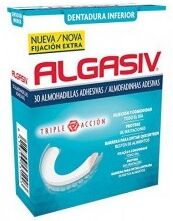
Algasiv Denture adhesive seals 30 UnitsHealth and Beauty Oral Care Algasiv Denture adhesive seals 30 Units Get the extra confidence you’re looking for. Sea Bond Denture Adhesive works differently. The cushiony, soft seal gives you all day hold without the ooze and mess of denture pastes. And it’s zinc-free. Now you can wear your dentures comfortably all day and still feel like yourself.11,17 £*Shipping: 3,99 £Secure redirect to the provider
-
eufy Breast Pump S1 Pro & Duckbill Valves (4-Pack) eufy Breast Pump S1 Pro & Original Duckbill Valves (4-Pack)HSA/FSA Eligible: Save with pre-tax health dollars. Breast pump S1 pro: The Innovative Heated Wearable Breast Pump: Groundbreaking HeatFlow™ technology prevents clogs and boosts your output by 30%¹. Enjoy high-efficiency pumping with spa-like...279,99 $*Shipping: 0,00 $Secure redirect to the provider
-
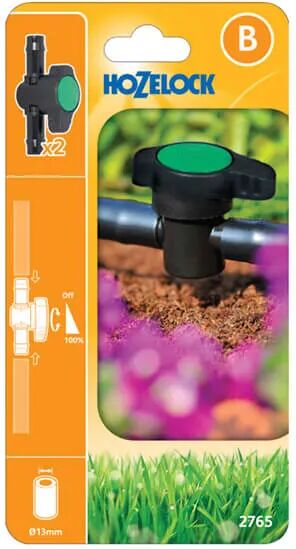
Hozelock Automatic Watering 13mm Flow Control ValvesTake full control of your garden irrigation with the Hozelock 13mm Flow Control Valves, specially designed to regulate water flow within low-pressure automatic watering systems. Perfect for use with Hozelock’s 13mm irrigation supply pipes, these inline valves give you precision control over individual watering zones. Whether you need to isolate parts of your system or simply adjust water flow to suit specific plant needs, these durable flow control valves are the ideal solution. Easily fitted in-line to your existing 13mm supply pipe, they allow you to reduce or shut off water flow as required, helping to conserve water and tailor delivery to each area of your garden. Made from UV-resistant materials, these valves are built to withstand outdoor conditions, ensuring long-lasting performance season after season. Ideal for use in flower beds, borders, vegetable gardens, greenhouses, and more, these valves make it easy to customise irrigation to suit plant type, location, and water requirements. Supplied as a set of two and covered by a manufacturer's 2-year guarantee.15,49 £*Shipping: 3,50 £Secure redirect to the provider
-
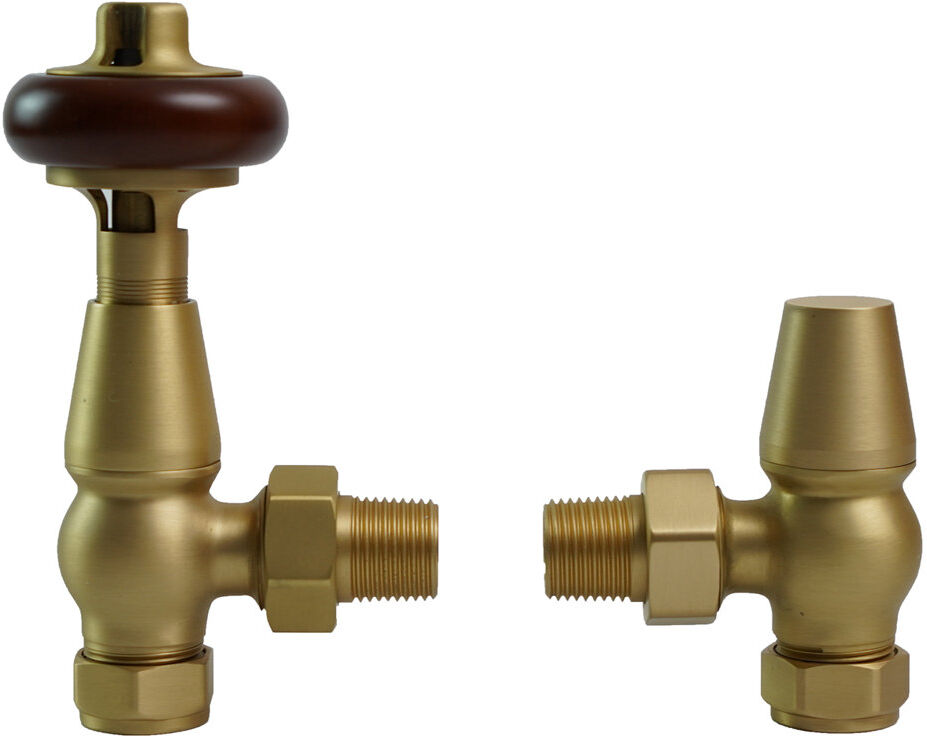
Belfry Bathroom Traditional TRV Thermostatic Radiator Valves Polished BrassFeatures:-Material: Brass-Valve Type: Thermostatic-Style: Angled-Connections: 15mm inlet, 1/2" BSP MI outlet-Suitable for central heating radiators or towel rails-Colour: Antique Brass-LockShield IncludedNote:Images for illustration purposes colours may differ depending on your device screen and lighting Brand Name: Belfry Bathroom. Finish: Polished Brass42,99 £*Shipping: 4,99 £Secure redirect to the provider


-
Does anyone know anything about spectroscopy?
Spectroscopy is the study of the interaction between matter and electromagnetic radiation. It is used to analyze the composition, structure, and properties of materials by observing how they interact with different wavelengths of light. Spectroscopy has applications in various scientific fields, including chemistry, physics, astronomy, and environmental science. It is a powerful tool for identifying and characterizing substances, and it can provide valuable information about the behavior of atoms and molecules. **
-
What is spectroscopy and what is a spectrometer?
Spectroscopy is the study of the interaction between matter and electromagnetic radiation. It involves analyzing the way in which different materials absorb, emit, or scatter light, allowing scientists to identify and characterize substances based on their unique spectral signatures. A spectrometer is a device used to measure and analyze the spectrum of light emitted or absorbed by a substance. It works by separating the different wavelengths of light and measuring their intensity, allowing for the identification of specific elements or compounds based on their unique spectral fingerprints. Spectrometers are widely used in various scientific fields, including chemistry, physics, astronomy, and environmental science. **
-
How do I analyze a spectrum in spectroscopy?
To analyze a spectrum in spectroscopy, you first need to obtain the spectrum by passing light through a sample and measuring the absorption or emission of different wavelengths. Once you have the spectrum, you can analyze it by identifying the peaks and their corresponding wavelengths. You can then use this information to determine the chemical composition, concentration, and other properties of the sample. Additionally, you can compare the spectrum to reference spectra to help identify the compounds present in the sample. **
-
What are the types of vibrations in IR spectroscopy?
In IR spectroscopy, there are three main types of vibrations: stretching, bending, and combination. Stretching vibrations occur when the distance between two bonded atoms increases or decreases, while bending vibrations involve a change in the angle between two bonds. Combination vibrations are a combination of stretching and bending motions. These vibrations are characteristic of different functional groups and can be used to identify the presence of specific chemical bonds in a molecule. **

Where are the spectral lines located in ultraviolet-visible spectroscopy?
In ultraviolet-visible spectroscopy, the spectral lines are located in the ultraviolet and visible regions of the electromagnetic spectrum. The ultraviolet region typically ranges from 190 to 400 nm, while the visible region ranges from 400 to 800 nm. These spectral lines correspond to the absorption or emission of light by molecules, which can provide information about their electronic structure and chemical composition. **
What is the significance of spectroscopy in relation to NMR and IR?
Spectroscopy is significant in relation to NMR (nuclear magnetic resonance) and IR (infrared) because it allows scientists to study the interaction of matter with electromagnetic radiation. NMR spectroscopy is used to study the structure and dynamics of molecules by analyzing the behavior of atomic nuclei in a magnetic field. IR spectroscopy, on the other hand, is used to study the chemical composition and structure of molecules by analyzing their interaction with infrared radiation. Both techniques are essential in the fields of chemistry, biochemistry, and materials science for identifying and characterizing compounds. **
Top-Angebote
Products related to Spectroscopy:
-
Algasiv Denture adhesive sealsHealth and Beauty Oral Care Algasiv Denture adhesive seals Get the extra confidence you’re looking for. Sea Bond Denture Adhesive works differently. The cushiony, soft seal gives you all day hold without the ooze and mess of denture pastes. And it’s zinc-free. Now you can wear your dentures comfortably all day and still feel like yourself. Presentation 18 units.7,69 £*Shipping: 3,99 £Secure redirect to the provider
-
Algasiv Denture adhesive seals 18Health and Beauty Oral Care Algasiv Denture adhesive seals 18 Get the extra confidence you’re looking for. Sea Bond Denture Adhesive works differently. The cushiony, soft seal gives you all day hold without the ooze and mess of denture pastes. And it’s zinc-free. Now you can wear your dentures comfortably all day and still feel like yourself.7,69 £*Shipping: 3,99 £Secure redirect to the provider
-
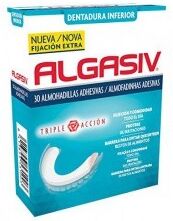
Algasiv Denture adhesive seals 30 UnitsHealth and Beauty Oral Care Algasiv Denture adhesive seals 30 Units Get the extra confidence you’re looking for. Sea Bond Denture Adhesive works differently. The cushiony, soft seal gives you all day hold without the ooze and mess of denture pastes. And it’s zinc-free. Now you can wear your dentures comfortably all day and still feel like yourself.11,17 £*Shipping: 3,99 £Secure redirect to the provider
-
eufy Breast Pump S1 Pro & Duckbill Valves (4-Pack) eufy Breast Pump S1 Pro & Original Duckbill Valves (4-Pack)HSA/FSA Eligible: Save with pre-tax health dollars. Breast pump S1 pro: The Innovative Heated Wearable Breast Pump: Groundbreaking HeatFlow™ technology prevents clogs and boosts your output by 30%¹. Enjoy high-efficiency pumping with spa-like...279,99 $*Shipping: 0,00 $Secure redirect to the provider
-
How is spectroscopy applied?
Spectroscopy is applied in various fields such as chemistry, physics, astronomy, and environmental science. In chemistry, it is used to identify and analyze the chemical composition of substances. In physics, it is used to study the interaction of electromagnetic radiation with matter. In astronomy, it is used to determine the composition, temperature, and motion of celestial objects. In environmental science, it is used to monitor air and water quality by analyzing the presence of pollutants. Overall, spectroscopy is a versatile tool for analyzing the properties of different materials and substances. **
-
What is NMR spectroscopy?
Nuclear Magnetic Resonance (NMR) spectroscopy is a powerful analytical technique used to study the structure and dynamics of molecules. It provides detailed information about the chemical environment, connectivity, and conformation of atoms within a molecule. By measuring the interactions of atomic nuclei with a magnetic field, NMR spectroscopy can elucidate the molecular structure of organic compounds, proteins, and other biomolecules. This technique is widely used in chemistry, biochemistry, and structural biology for research and drug discovery purposes. **
-
Does anyone know anything about spectroscopy?
Spectroscopy is the study of the interaction between matter and electromagnetic radiation. It is used to analyze the composition, structure, and properties of materials by observing how they interact with different wavelengths of light. Spectroscopy has applications in various scientific fields, including chemistry, physics, astronomy, and environmental science. It is a powerful tool for identifying and characterizing substances, and it can provide valuable information about the behavior of atoms and molecules. **
-
What is spectroscopy and what is a spectrometer?
Spectroscopy is the study of the interaction between matter and electromagnetic radiation. It involves analyzing the way in which different materials absorb, emit, or scatter light, allowing scientists to identify and characterize substances based on their unique spectral signatures. A spectrometer is a device used to measure and analyze the spectrum of light emitted or absorbed by a substance. It works by separating the different wavelengths of light and measuring their intensity, allowing for the identification of specific elements or compounds based on their unique spectral fingerprints. Spectrometers are widely used in various scientific fields, including chemistry, physics, astronomy, and environmental science. **
Similar search terms for Spectroscopy
-
Hozelock Automatic Watering 13mm Flow Control ValvesTake full control of your garden irrigation with the Hozelock 13mm Flow Control Valves, specially designed to regulate water flow within low-pressure automatic watering systems. Perfect for use with Hozelock’s 13mm irrigation supply pipes, these inline valves give you precision control over individual watering zones. Whether you need to isolate parts of your system or simply adjust water flow to suit specific plant needs, these durable flow control valves are the ideal solution. Easily fitted in-line to your existing 13mm supply pipe, they allow you to reduce or shut off water flow as required, helping to conserve water and tailor delivery to each area of your garden. Made from UV-resistant materials, these valves are built to withstand outdoor conditions, ensuring long-lasting performance season after season. Ideal for use in flower beds, borders, vegetable gardens, greenhouses, and more, these valves make it easy to customise irrigation to suit plant type, location, and water requirements. Supplied as a set of two and covered by a manufacturer's 2-year guarantee.15,49 £*Shipping: 3,50 £Secure redirect to the provider
-
Belfry Bathroom Traditional TRV Thermostatic Radiator Valves Polished BrassFeatures:-Material: Brass-Valve Type: Thermostatic-Style: Angled-Connections: 15mm inlet, 1/2" BSP MI outlet-Suitable for central heating radiators or towel rails-Colour: Antique Brass-LockShield IncludedNote:Images for illustration purposes colours may differ depending on your device screen and lighting Brand Name: Belfry Bathroom. Finish: Polished Brass42,99 £*Shipping: 4,99 £Secure redirect to the provider
-
Belfry Bathroom Traditional TRV Thermostatic Radiator Valves Brushed BrassFeatures:-Material: Brass-Valve Type: Thermostatic-Style: Angled-Connections: 15mm inlet, 1/2" BSP MI outlet-Suitable for central heating radiators or towel rails-Colour: Antique Brass-LockShield IncludedNote:Images for illustration purposes colours may differ depending on your device screen and lighting Brand Name: Belfry Bathroom. Finish: Brushed Brass42,99 £*Shipping: 4,99 £Secure redirect to the provider
-
Belfry Bathroom Traditional TRV Thermostatic Radiator Valves Nickel BlackFeatures:-Material: Brass-Valve Type: Thermostatic-Style: Angled-Connections: 15mm inlet, 1/2" BSP MI outlet-Suitable for central heating radiators or towel rails-Colour: Antique Brass-LockShield IncludedNote:Images for illustration purposes colours may differ depending on your device screen and lighting Brand Name: Belfry Bathroom. Finish: Nickel Black42,99 £*Shipping: 4,99 £Secure redirect to the provider
-
How do I analyze a spectrum in spectroscopy?
To analyze a spectrum in spectroscopy, you first need to obtain the spectrum by passing light through a sample and measuring the absorption or emission of different wavelengths. Once you have the spectrum, you can analyze it by identifying the peaks and their corresponding wavelengths. You can then use this information to determine the chemical composition, concentration, and other properties of the sample. Additionally, you can compare the spectrum to reference spectra to help identify the compounds present in the sample. **
-
What are the types of vibrations in IR spectroscopy?
In IR spectroscopy, there are three main types of vibrations: stretching, bending, and combination. Stretching vibrations occur when the distance between two bonded atoms increases or decreases, while bending vibrations involve a change in the angle between two bonds. Combination vibrations are a combination of stretching and bending motions. These vibrations are characteristic of different functional groups and can be used to identify the presence of specific chemical bonds in a molecule. **
-
Where are the spectral lines located in ultraviolet-visible spectroscopy?
In ultraviolet-visible spectroscopy, the spectral lines are located in the ultraviolet and visible regions of the electromagnetic spectrum. The ultraviolet region typically ranges from 190 to 400 nm, while the visible region ranges from 400 to 800 nm. These spectral lines correspond to the absorption or emission of light by molecules, which can provide information about their electronic structure and chemical composition. **
-
What is the significance of spectroscopy in relation to NMR and IR?
Spectroscopy is significant in relation to NMR (nuclear magnetic resonance) and IR (infrared) because it allows scientists to study the interaction of matter with electromagnetic radiation. NMR spectroscopy is used to study the structure and dynamics of molecules by analyzing the behavior of atomic nuclei in a magnetic field. IR spectroscopy, on the other hand, is used to study the chemical composition and structure of molecules by analyzing their interaction with infrared radiation. Both techniques are essential in the fields of chemistry, biochemistry, and materials science for identifying and characterizing compounds. **
* All prices are inclusive of VAT and, if applicable, plus shipping costs. The offer information is based on the details provided by the respective shop and is updated through automated processes. Real-time updates do not occur, so deviations can occur in individual cases. ** Note: Parts of this content were created by AI.