Buy ksbforum.eu ?
We are moving the project
ksbforum.eu .
Are you interested in purchasing the domain
ksbforum.eu ?
domain@kv-gmbh.de · 0541-91531010
Buy ksbforum.eu ?
What are intermolecular forces?
Intermolecular forces are the attractive forces that exist between molecules. These forces are responsible for holding molecules together in a liquid or solid state. There are several types of intermolecular forces, including hydrogen bonding, dipole-dipole interactions, and London dispersion forces. These forces play a crucial role in determining the physical properties of substances, such as their boiling and melting points, as well as their solubility and viscosity. **
What intermolecular forces exist?
Intermolecular forces are the forces of attraction and repulsion between molecules. The main types of intermolecular forces include London dispersion forces, dipole-dipole interactions, and hydrogen bonding. London dispersion forces are the weakest type of intermolecular force and occur between all molecules. Dipole-dipole interactions occur between polar molecules, where the positive end of one molecule is attracted to the negative end of another. Hydrogen bonding is a special type of dipole-dipole interaction that occurs when hydrogen is bonded to highly electronegative atoms like oxygen, nitrogen, or fluorine. **

Similar search terms for Intermolecular
Top-Angebote
Products related to Intermolecular:
-
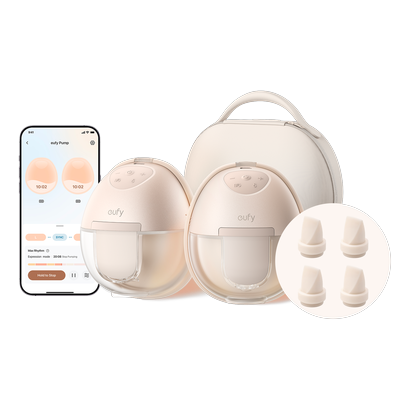
eufy Breast Pump S1 Pro & Duckbill Valves (4-Pack) eufy Breast Pump S1 Pro & Original Duckbill Valves (4-Pack)HSA/FSA Eligible: Save with pre-tax health dollars. Breast pump S1 pro: The Innovative Heated Wearable Breast Pump: Groundbreaking HeatFlow™ technology prevents clogs and boosts your output by 30%¹. Enjoy high-efficiency pumping with spa-like...354,99 $*Shipping: 0,00 $Secure redirect to the provider
-
Caledonian Controls GLT10 Gas Proving SystemGas Proving Systems are required under BS6173 if any appliance is installed that is not fitted with a Flame Failure Device (FFD). This would normally only be applicable to small gas rings and hobs. It should be noted however that older grills, and even ovens, often have not been equipped with an FFD. In any event, a well designed gas proving system will test for external leaks not just the odd unprotected gas tap that may have been left turned on. Furthermore should an unprotected small appliance be fitted at some time in the future this will be a simple task if the GLT10 gas proving system is already installed. The GLT10 is a modern state of the art Gas Proving System, it has been designed and developed not only to meet all current standards but to exceed them. The GLT10 operates in several modes including the 'weep' system required in EN6173 and described in the Institute of Gas519,41 £*Shipping: 0,00 £Secure redirect to the provider
-
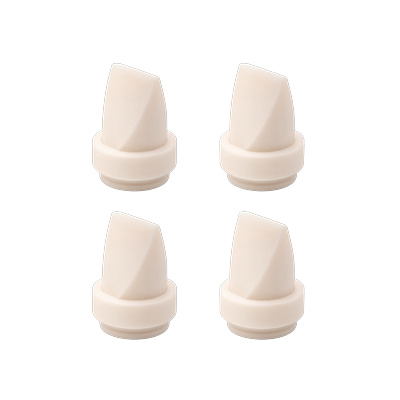
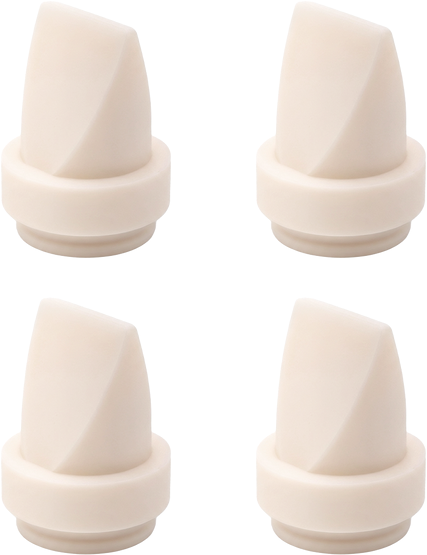
eufy Duckbill Valves (4-Pack) for Wearable Breast Pump E10/E20/S1/S1 Pro E10/E20/S1/S1 Pro Original Duckbill Valves (4-Pack)HSA/FSA Eligible: Save with pre-tax health dollars. Compatibility:Compatible with eufy Breast Pump E10 / E20 / S1 / S1 Pro. Closed, Anti-Blackflow Design: Designed to prevent backflow of breast milk and help direct milk to the bottom of the...19,99 $*Shipping: 0,00 $Secure redirect to the provider


-
What are intermolecular interactions?
Intermolecular interactions are the forces of attraction or repulsion between molecules. These interactions play a crucial role in determining the physical and chemical properties of substances. Examples of intermolecular interactions include hydrogen bonding, van der Waals forces, and dipole-dipole interactions. These forces can affect properties such as boiling and melting points, solubility, and viscosity. **
-
How are intermolecular forces classified?
Intermolecular forces are classified into three main categories: dispersion forces, dipole-dipole forces, and hydrogen bonding. Dispersion forces are the weakest type of intermolecular force and are caused by temporary fluctuations in electron distribution within molecules. Dipole-dipole forces occur between polar molecules and are stronger than dispersion forces. Hydrogen bonding is the strongest type of intermolecular force and occurs when hydrogen is bonded to highly electronegative atoms like oxygen, nitrogen, or fluorine. **
-
What are strong intermolecular interactions?
Strong intermolecular interactions are attractive forces between molecules that are stronger than typical van der Waals forces. These interactions can include hydrogen bonding, dipole-dipole interactions, and ion-dipole interactions. Strong intermolecular interactions play a crucial role in determining the physical properties of substances such as boiling point, melting point, and solubility. They are important in various biological processes, such as protein folding and DNA replication. **
-
Which intermolecular interactions are possible?
Intermolecular interactions that are possible include hydrogen bonding, dipole-dipole interactions, and London dispersion forces. Hydrogen bonding occurs when a hydrogen atom is bonded to a highly electronegative atom such as oxygen, nitrogen, or fluorine. Dipole-dipole interactions occur between molecules with permanent dipoles, while London dispersion forces are the weakest intermolecular interactions and occur between all molecules due to temporary fluctuations in electron distribution. These interactions play a crucial role in determining the physical properties of substances such as boiling and melting points. **

What are intermolecular interactions in chemistry?
Intermolecular interactions are the forces of attraction or repulsion between molecules. These interactions play a crucial role in determining the physical properties of substances, such as boiling point, melting point, and solubility. The main types of intermolecular interactions include hydrogen bonding, dipole-dipole interactions, and van der Waals forces. These interactions are weaker than chemical bonds within a molecule, but they still significantly impact the behavior and properties of substances. **
Which intermolecular forces are the strongest?
The strongest intermolecular forces are hydrogen bonding, which occurs when a hydrogen atom is bonded to a highly electronegative atom such as oxygen, nitrogen, or fluorine. Hydrogen bonding is stronger than dipole-dipole interactions and London dispersion forces. This is because hydrogen bonding involves a particularly strong attraction between the partially positive hydrogen atom and the partially negative atom it is bonded to, leading to a higher energy of interaction compared to other intermolecular forces. **
Top-Angebote
Products related to Intermolecular:
-
Medela Pack Valves + Membranes 1 un.A skin-care product. BPA-free and safe for your baby. Replacement item for all 's milk extractors:. the baby has in the breast milk everything he needs for its development (water, protein, fat, carbohydrates, minerals, vitamins and iron and antibodies). thinks about everything you need to promote this bond between you and your baby.9,23 £*Shipping: 4,22 £Secure redirect to the provider
-
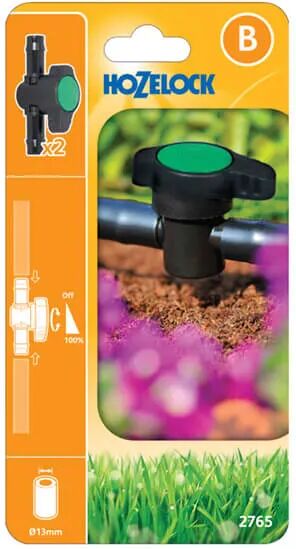
Hozelock Automatic Watering 13mm Flow Control ValvesTake full control of your garden irrigation with the Hozelock 13mm Flow Control Valves, specially designed to regulate water flow within low-pressure automatic watering systems. Perfect for use with Hozelock’s 13mm irrigation supply pipes, these inline valves give you precision control over individual watering zones. Whether you need to isolate parts of your system or simply adjust water flow to suit specific plant needs, these durable flow control valves are the ideal solution. Easily fitted in-line to your existing 13mm supply pipe, they allow you to reduce or shut off water flow as required, helping to conserve water and tailor delivery to each area of your garden. Made from UV-resistant materials, these valves are built to withstand outdoor conditions, ensuring long-lasting performance season after season. Ideal for use in flower beds, borders, vegetable gardens, greenhouses, and more, these valves make it easy to customise irrigation to suit plant type, location, and water requirements. Supplied as a set of two and covered by a manufacturer's 2-year guarantee.15,49 £*Shipping: 3,50 £Secure redirect to the provider
-
eufy Breast Pump S1 Pro & Duckbill Valves (4-Pack) eufy Breast Pump S1 Pro & Original Duckbill Valves (4-Pack)HSA/FSA Eligible: Save with pre-tax health dollars. Breast pump S1 pro: The Innovative Heated Wearable Breast Pump: Groundbreaking HeatFlow™ technology prevents clogs and boosts your output by 30%¹. Enjoy high-efficiency pumping with spa-like...354,99 $*Shipping: 0,00 $Secure redirect to the provider
-
What are intermolecular forces?
Intermolecular forces are the attractive forces that exist between molecules. These forces are responsible for holding molecules together in a liquid or solid state. There are several types of intermolecular forces, including hydrogen bonding, dipole-dipole interactions, and London dispersion forces. These forces play a crucial role in determining the physical properties of substances, such as their boiling and melting points, as well as their solubility and viscosity. **
-
What intermolecular forces exist?
Intermolecular forces are the forces of attraction and repulsion between molecules. The main types of intermolecular forces include London dispersion forces, dipole-dipole interactions, and hydrogen bonding. London dispersion forces are the weakest type of intermolecular force and occur between all molecules. Dipole-dipole interactions occur between polar molecules, where the positive end of one molecule is attracted to the negative end of another. Hydrogen bonding is a special type of dipole-dipole interaction that occurs when hydrogen is bonded to highly electronegative atoms like oxygen, nitrogen, or fluorine. **
-
What are intermolecular interactions?
Intermolecular interactions are the forces of attraction or repulsion between molecules. These interactions play a crucial role in determining the physical and chemical properties of substances. Examples of intermolecular interactions include hydrogen bonding, van der Waals forces, and dipole-dipole interactions. These forces can affect properties such as boiling and melting points, solubility, and viscosity. **
-
How are intermolecular forces classified?
Intermolecular forces are classified into three main categories: dispersion forces, dipole-dipole forces, and hydrogen bonding. Dispersion forces are the weakest type of intermolecular force and are caused by temporary fluctuations in electron distribution within molecules. Dipole-dipole forces occur between polar molecules and are stronger than dispersion forces. Hydrogen bonding is the strongest type of intermolecular force and occurs when hydrogen is bonded to highly electronegative atoms like oxygen, nitrogen, or fluorine. **
Similar search terms for Intermolecular
-
Caledonian Controls GLT10 Gas Proving SystemGas Proving Systems are required under BS6173 if any appliance is installed that is not fitted with a Flame Failure Device (FFD). This would normally only be applicable to small gas rings and hobs. It should be noted however that older grills, and even ovens, often have not been equipped with an FFD. In any event, a well designed gas proving system will test for external leaks not just the odd unprotected gas tap that may have been left turned on. Furthermore should an unprotected small appliance be fitted at some time in the future this will be a simple task if the GLT10 gas proving system is already installed. The GLT10 is a modern state of the art Gas Proving System, it has been designed and developed not only to meet all current standards but to exceed them. The GLT10 operates in several modes including the 'weep' system required in EN6173 and described in the Institute of Gas519,41 £*Shipping: 0,00 £Secure redirect to the provider
-
eufy Duckbill Valves (4-Pack) for Wearable Breast Pump E10/E20/S1/S1 Pro E10/E20/S1/S1 Pro Original Duckbill Valves (4-Pack)HSA/FSA Eligible: Save with pre-tax health dollars. Compatibility:Compatible with eufy Breast Pump E10 / E20 / S1 / S1 Pro. Closed, Anti-Blackflow Design: Designed to prevent backflow of breast milk and help direct milk to the bottom of the...19,99 $*Shipping: 0,00 $Secure redirect to the provider
-
eufy Wearable Breast Pump E10/E20/S1/S1 Pro Original Duckbill Valves (4-Pack) E10/E20/S1/S1 Pro Original Duckbill Valves (4-Pack)Compatibility:Compatible with eufy Breast Pump E10 / E20 / S1 / S1 Pro. Closed, Anti-Blackflow Design: Designed to prevent backflow of breast milk and help direct milk to the bottom of the container, ensuring no loss of suction. The slit on the valve tips remains closed when not pumping. Food-Grade Silicone: Made from durable, BPA-free, food-grade silicone, the duckbill valves are soft, odorless, and skin-friendly for both mother and baby. The snug fit offers comfort and efficient pumping. Easy to Clean: Wash with warm, soapy water and rinse well after each use. To deep clean, use boiling water or steam at no more than 100℃ (212℉) for 5-10 minutes. Avoid hard brushes; use fingertips instead. Guaranteed Reliability: eufy breast pump accessories are covered by a 90-day limited manufacturer's warranty. Lifespan: Typically lasts 1-3 months. Replace if suction and performance decrease with use and sterilization, or based on your usage.29,99 £*Shipping: 0,00 £Secure redirect to the provider
-
Pegler PEG402UA 15mm Thermostatic Mixing Valve TMV2/3 - with ValvesThe Pegler PEG402UA 15mm Thermostatic Mixing Valve - TMV2 & TMV3, your comprehensive solution for precise water temperature control and unparalleled safety against scalding. This anti-scald valve, featuring advanced Prestex compression connections, marries superior quality manufacturing with peak performance, designed for both ease of installation and servicing. With its WRAS approval and compliance with the NHS Model Engineering Specification D08, the Pegler TMV23 stands out as a top choice for a wide array of environments, including healthcare facilities, public and educational buildings, as well as commercial and residential projects. Supplied with pre-fitted strainers and non-return valves to safeguard your system against backflow and impurities, ensuring clean and safe water supply.79,27 £*Shipping: 0,00 £Secure redirect to the provider
-
What are strong intermolecular interactions?
Strong intermolecular interactions are attractive forces between molecules that are stronger than typical van der Waals forces. These interactions can include hydrogen bonding, dipole-dipole interactions, and ion-dipole interactions. Strong intermolecular interactions play a crucial role in determining the physical properties of substances such as boiling point, melting point, and solubility. They are important in various biological processes, such as protein folding and DNA replication. **
-
Which intermolecular interactions are possible?
Intermolecular interactions that are possible include hydrogen bonding, dipole-dipole interactions, and London dispersion forces. Hydrogen bonding occurs when a hydrogen atom is bonded to a highly electronegative atom such as oxygen, nitrogen, or fluorine. Dipole-dipole interactions occur between molecules with permanent dipoles, while London dispersion forces are the weakest intermolecular interactions and occur between all molecules due to temporary fluctuations in electron distribution. These interactions play a crucial role in determining the physical properties of substances such as boiling and melting points. **
-
What are intermolecular interactions in chemistry?
Intermolecular interactions are the forces of attraction or repulsion between molecules. These interactions play a crucial role in determining the physical properties of substances, such as boiling point, melting point, and solubility. The main types of intermolecular interactions include hydrogen bonding, dipole-dipole interactions, and van der Waals forces. These interactions are weaker than chemical bonds within a molecule, but they still significantly impact the behavior and properties of substances. **
-
Which intermolecular forces are the strongest?
The strongest intermolecular forces are hydrogen bonding, which occurs when a hydrogen atom is bonded to a highly electronegative atom such as oxygen, nitrogen, or fluorine. Hydrogen bonding is stronger than dipole-dipole interactions and London dispersion forces. This is because hydrogen bonding involves a particularly strong attraction between the partially positive hydrogen atom and the partially negative atom it is bonded to, leading to a higher energy of interaction compared to other intermolecular forces. **
* All prices are inclusive of VAT and, if applicable, plus shipping costs. The offer information is based on the details provided by the respective shop and is updated through automated processes. Real-time updates do not occur, so deviations can occur in individual cases. ** Note: Parts of this content were created by AI.